Robotic process automation software vendor plays a pivotal role in the transformation of business operations by enabling organizations to automate repetitive tasks, enhance efficiency, and reduce operational costs. In today’s fast-paced market, the significance of RPA technology cannot be overstated as it empowers companies to streamline their workflows, allowing them to focus on higher-value activities. With various types of processes that can be automated, RPA offers a broad range of applications across industries, making it a vital asset for modern enterprises.
This discussion will delve into the essential functions of RPA software vendors, the criteria for selecting the right vendor, and the challenges they face, providing a comprehensive understanding of their offerings and the future of RPA technology.
Overview of Robotic Process Automation (RPA)
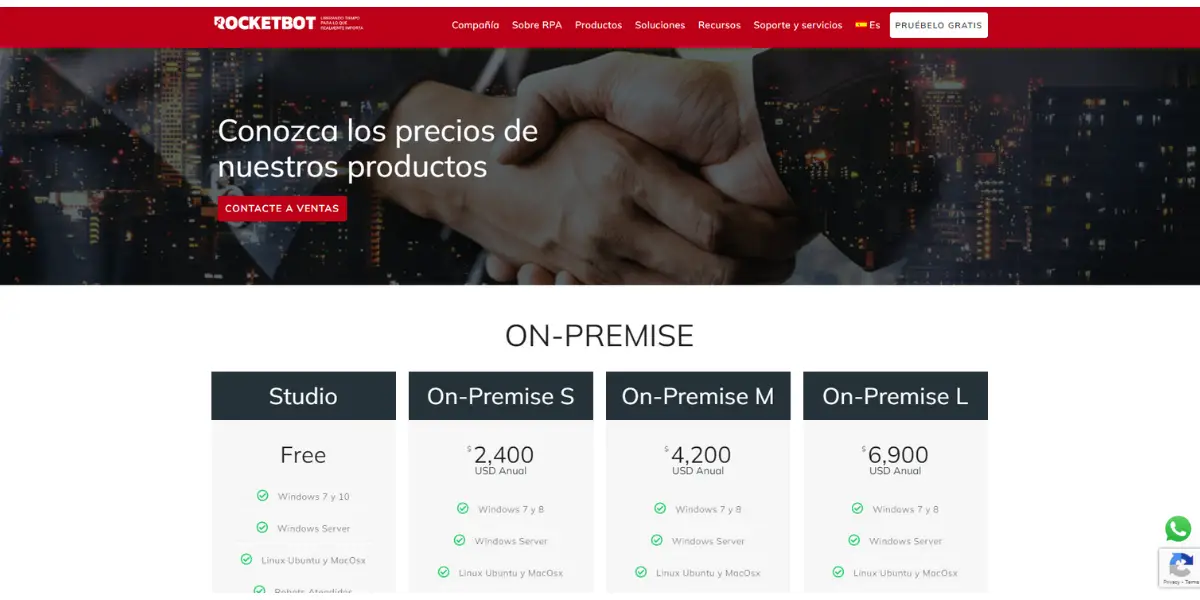
Robotic Process Automation (RPA) is a transformative technology that allows businesses to automate routine tasks through the use of software robots or “bots.” This automation not only increases efficiency but also reduces the likelihood of human error, thus significantly improving overall operational performance. In an era where optimizing business processes is crucial for competitive advantage, RPA stands as a vital solution for organizations seeking to streamline their operations.RPA technology comprises several key components that work together to facilitate the automation of repetitive tasks.
These components include:
Key Components of RPA Technology
The major components that constitute RPA technology include:
- Robots: These are software applications that replicate human actions to perform tasks across various digital systems.
- Control Center: A centralized platform that manages, schedules, and monitors the activities of the software robots, ensuring they operate efficiently.
- Development Environment: A user-friendly interface where developers can design, build, and test automation workflows without extensive programming knowledge.
- Analytics: Tools that provide insights into the performance of automated processes, helping organizations to optimize and refine their automation strategies.
The integration of these components allows for seamless automation of numerous business processes, leading to enhanced productivity and cost savings.
Types of Processes Suitable for RPA Automation
RPA is particularly well-suited for automating tasks that are repetitive, rule-based, and standardized. Such processes often involve high volumes of data entry, transaction processing, and other routine activities. Examples of processes that can benefit from RPA include:
- Data Entry: Automating data input across various systems reduces errors and frees up human resources for more strategic tasks.
- Invoice Processing: RPA can streamline the accounts payable process by automatically extracting invoice data and updating financial systems.
- Customer Service: Bots can handle routine inquiries, manage appointment scheduling, and provide basic support, improving response times and customer satisfaction.
- Report Generation: Automating the collection and formatting of data for reports saves considerable time and ensures accuracy.
By focusing on these types of processes, organizations can achieve significant operational improvements and ensure that their workforce is engaged in more value-added activities, ultimately leading to improved business outcomes.
Role and Functions of Robotic Process Automation Software Vendors
Robotic Process Automation (RPA) software vendors play a crucial role in the digital transformation of organizations by providing solutions that enhance operational efficiency, reduce costs, and improve service delivery. Their influence extends across various industries, enabling businesses to automate repetitive tasks and streamline processes. Understanding the core functions and services offered by these vendors is essential for organizations looking to adopt RPA technologies.The primary functions of RPA software vendors encompass a variety of aspects that support the implementation and management of automation solutions.
These vendors not only develop and sell RPA software but also provide a range of services to ensure that the technology is effectively integrated within organizational workflows.
Functions in the Market
RPA software vendors fulfill several core functions that are vital to the automation landscape. These functions include:
- Software Development: Vendors design and create robust RPA tools that facilitate the automation of business processes.
- Implementation Services: They offer guidance and support in deploying RPA solutions, ensuring that organizations can utilize the technology effectively.
- Training and Support: Vendors provide training for personnel and ongoing technical support to address any issues that may arise post-implementation.
- Consulting Services: Many vendors offer consulting to help organizations identify suitable processes for automation and develop a strategic roadmap for RPA integration.
- Continuous Improvement: Vendors often provide updates and enhancements to their software, ensuring users benefit from the latest advancements in automation technology.
The range of services provided by RPA vendors is designed to address the diverse needs of organizations embarking on their automation journey. These services are essential to maximize the ROI of RPA investments.
Service Range
The services offered by RPA software vendors extend beyond just software provision. They encompass a comprehensive support framework that serves to facilitate successful automation outcomes.
- Pre-Implementation Assessment: Vendors conduct assessments to analyze current processes and determine the feasibility of automation.
- Customization: They provide tailored solutions that fit the specific requirements of the organization, enhancing the effectiveness of automation efforts.
- Post-Implementation Monitoring: Vendors offer monitoring services to track the performance of automated processes, allowing for timely adjustments and improvements.
- Community and Resources: Many vendors develop user communities and provide resources, such as documentation and forums, to promote knowledge sharing among users.
In the competitive landscape of RPA, differentiation among vendors is essential. To stand out, RPA software vendors utilize several strategies.
Competitive Differentiation
Vendors differentiate their offerings through various strategies aimed at meeting market demands and addressing customer needs effectively.
- Innovative Features: Vendors incorporate cutting-edge functionalities, such as AI and machine learning capabilities, which enhance the overall utility of their RPA solutions.
- Ease of Use: A focus on user-friendly interfaces and intuitive design helps vendors attract organizations with varying levels of technical expertise.
- Flexible Pricing Models: Offering competitive pricing options and flexible subscription models allows vendors to cater to a broader range of clients.
- Industry-Specific Solutions: Some vendors provide specialized solutions tailored to specific industries, such as healthcare or finance, which helps in addressing unique challenges in those sectors.
- Partnership Ecosystems: Establishing partnerships with other technology providers enhances the vendor’s offerings through integrated solutions and collaborative innovations.
The strategic roles and functions that RPA software vendors play are integral to the successful adoption and utilization of automation technologies across various sectors. Their comprehensive services and differentiation strategies empower organizations to navigate the complexities of automation, ensuring they achieve their operational goals.
Criteria for Selecting RPA Software Vendors

In the rapidly evolving landscape of automation technology, selecting the right Robotic Process Automation (RPA) software vendor is crucial for organizations aiming to enhance efficiency and productivity. The decision should be informed by a variety of criteria that align with the organization’s specific goals, culture, and operational needs. Hence, a careful evaluation of potential vendors can ensure that the chosen solution not only meets current requirements but is also scalable for future growth.When choosing an RPA vendor, organizations should consider several essential criteria that reflect their unique business needs and strategic objectives.
These criteria encompass various aspects of vendor capabilities, support, and overall value proposition.
Essential Selection Criteria
The following points represent key criteria organizations should evaluate when selecting an RPA software vendor:
- Vendor Reputation and Experience: Assess the vendor’s history in the market, including client testimonials, case studies, and industry recognition.
- Product Features and Flexibility: Review the capabilities of the software, such as ease of use, integration potential, and support for various platforms.
- Scalability: Consider whether the RPA solution can easily scale as the organization’s needs evolve, accommodating more users or processes without significant reconfiguration.
- Customer Support and Training: Evaluate the level of support and training the vendor provides to ensure a smooth implementation and ongoing maintenance.
- Security and Compliance: Analyze the vendor’s approach to data security and compliance with industry regulations to safeguard sensitive information.
- Cost and Pricing Models: Investigate the pricing schemes offered by the vendor to ensure they align with your budget and expected return on investment.
Comparison of Pricing Models
Understanding the various pricing models used by RPA vendors is essential for making a well-informed decision. Pricing structures can significantly influence overall costs and affect the return on investment. The common models include:
- Subscription-Based Pricing: Typically, this model involves a recurring fee, usually charged monthly or annually, providing flexibility and easier budgeting.
- Perpetual Licensing: Organizations pay a one-time fee for a license to use the software indefinitely, though additional costs may accrue for support and upgrades.
- Pay-as-You-Go: This model allows companies to pay based on usage, which can be beneficial for those with variable automation needs.
- Tiered Pricing: Vendors often offer several packages with different features and pricing, allowing organizations to choose a package that best fits their scale and requirements.
Pitfalls to Avoid When Evaluating RPA Software
Evaluating RPA software can be a complex process, and organizations may encounter several pitfalls that could hinder their decision-making. Awareness of these common missteps can help ensure a more effective selection process:
- Neglecting Long-term Needs: Focusing solely on immediate requirements without considering future scalability and adaptability can lead to choosing a solution that becomes obsolete.
- Overlooking Integration Capabilities: Failing to assess how well the RPA solution integrates with existing systems can result in data silos and operational inefficiencies.
- Inadequate User Training: Not prioritizing user training and support can lead to low adoption rates and underutilization of the software’s capabilities.
- Ignoring Vendor Stability: Selecting a vendor lacking a solid financial background or long-term viability may pose risks to ongoing support and service assurance.
Case Studies of Successful RPA Implementations
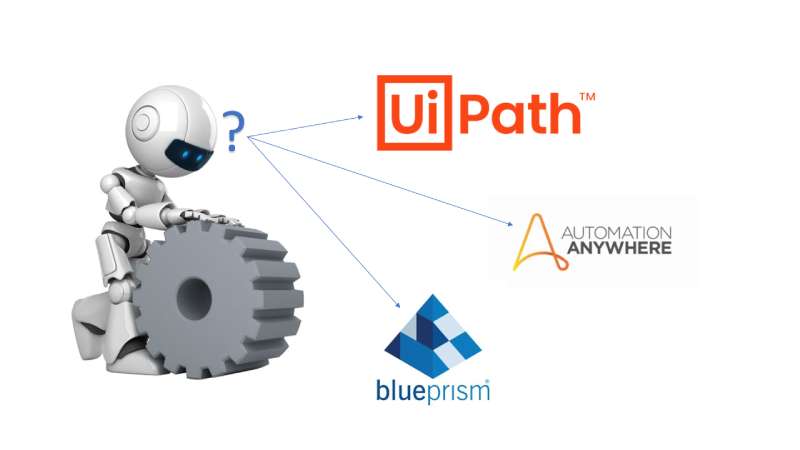
Robotic Process Automation (RPA) has emerged as a transformative technology across various industries, enabling organizations to enhance efficiency, reduce costs, and improve service delivery. The following case studies highlight specific examples of successful RPA implementations, showcasing the diverse range of benefits realized by companies that have adopted this innovative solution.The effectiveness of RPA can be illustrated through various detailed examples, demonstrating its role in optimizing operations.
These case studies reveal how organizations have navigated the integration of RPA into their existing workflows and the substantial improvements achieved in operational metrics.
Case Study Comparisons
The following table presents a comparative analysis of several companies before and after RPA implementation. It Artikels key performance indicators that reflect the impact of RPA on their operations.
| Company | Industry | Before RPA | After RPA | Key Metrics |
|---|---|---|---|---|
| Company A | Banking | Processing time: 8 hours per transaction | Processing time: 2 hours per transaction | 80% reduction in processing time |
| Company B | Healthcare | Error rate: 15% | Error rate: 2% | Impact: 87% decrease in errors |
| Company C | E-commerce | Customer response time: 24 hours | Customer response time: 1 hour | Improved customer satisfaction ratings |
| Company D | Insurance | Claims processing time: 10 days | Claims processing time: 1 day | 90% faster claims resolution |
The above table highlights the transformative impact of RPA on various sectors, emphasizing significant improvements in operational efficiency and accuracy. Each case demonstrates how targeted RPA solutions can eliminate bottlenecks and enhance productivity.
“RPA not only streamlines processes but also enables employees to focus on higher-value tasks, thereby driving innovation and growth.”
Metrics from these successful implementations indicate a strong correlation between RPA adoption and enhanced performance outcomes. Companies have reported remarkable efficiency gains, reduced operational costs, and increased employee satisfaction due to the automation of repetitive tasks. These changes not only contribute to an organization’s bottom line but also foster a culture of continuous improvement and innovation.
Challenges Faced by RPA Software Vendors
The landscape of Robotic Process Automation (RPA) continues to evolve, introducing both opportunities and challenges for software vendors. As organizations increasingly adopt RPA technologies to streamline operations and improve efficiency, vendors encounter various hurdles throughout product development and customer deployment. Understanding these challenges is crucial for vendors aiming to enhance their offerings and meet the expectations of their clients.One primary challenge that RPA vendors face is the complexity of product development.
The integration of RPA solutions with existing systems requires a deep understanding of various technologies and processes, which can lead to lengthy development cycles. Additionally, vendors must ensure their software can handle a diverse range of business processes across different industries, increasing the complexity of their solutions.
Regulatory and Compliance Issues Affecting RPA Solutions
Regulatory and compliance issues play a significant role in shaping the RPA market. Vendors must navigate a landscape of evolving regulations that vary by industry and geography. For instance, financial institutions face strict compliance standards related to data protection and privacy, making it essential for RPA solutions to adhere to these requirements.The impact of these regulations can be substantial, as non-compliance may result in hefty fines and reputational damage for both the vendor and their clients.
Therefore, it is crucial for RPA vendors to remain informed about regulatory changes and incorporate compliance features into their products. Vendors typically employ several strategies to address these challenges:
- Regular Training and Updates: Vendors often provide ongoing training for their development teams to ensure they are up to date with the latest compliance requirements. This proactive approach helps to minimize the risk of non-compliance in their RPA solutions.
- Collaboration with Legal Experts: Many RPA vendors collaborate with legal and compliance experts to assess the impact of regulations on their offerings. This partnership allows vendors to create solutions that not only automate processes but also incorporate necessary compliance features.
- Implementation of Best Practices: By following industry best practices in software development and compliance, vendors can establish a solid foundation for their RPA solutions. This includes integrating features that facilitate auditing, reporting, and data protection.
Strategies to Overcome Obstacles in the RPA Market
In addition to regulatory compliance, RPA vendors encounter obstacles related to customer deployment and maintenance of their solutions. Ensuring that clients can effectively implement and use RPA tools without encountering significant issues is crucial for vendor success.To overcome these deployment challenges, RPA vendors often adopt the following strategies:
- Comprehensive Onboarding Processes: Many vendors create detailed onboarding procedures that guide clients through the implementation of RPA solutions. This promotes a smooth transition and helps clients maximize the value of their investment.
- Robust Customer Support: Providing excellent customer support is vital. Vendors often establish dedicated support teams to assist clients with troubleshooting and optimizing their RPA deployments, ensuring ongoing success.
- Continuous Improvement Mechanisms: RPA vendors frequently gather feedback from clients post-deployment to identify areas for improvement. This feedback loop allows vendors to adapt their products and better meet evolving customer needs.
“Effective navigation of regulatory landscapes and deployment challenges is essential for RPA vendors to achieve sustained growth in the market.”
Future Trends in Robotic Process Automation
The landscape of Robotic Process Automation (RPA) is continuously evolving, driven by advancements in technology and the increasing need for organizations to enhance efficiency and productivity. As businesses increasingly adopt RPA, it is essential to explore emerging trends that will shape the future of this technology. The integration of artificial intelligence (AI) and other innovative technologies promises to redefine automation capabilities, paving the way for more intelligent and adaptive solutions.
Emerging Technologies Impacting RPA
Several emerging technologies are set to influence the future of RPA, enhancing its functionalities and broadening its applications across various industries. The convergence of technologies such as AI, machine learning, and natural language processing is expected to significantly enhance RPA capabilities. These technologies will enable RPA systems to learn from data, adapt to changes, and perform more complex tasks that require cognitive abilities.Key technologies expected to impact RPA include:
- Artificial Intelligence: The addition of AI allows RPA to move beyond rule-based processes, enabling the automation of more sophisticated workflows that involve decision-making and learning from past experiences.
- Machine Learning: Machine learning algorithms will allow RPA bots to improve their performance over time by analyzing data patterns and adjusting their actions accordingly.
- Natural Language Processing: NLP will facilitate better interaction between humans and bots by enabling RPA solutions to understand and process human language, making automation of customer service and support tasks more effective.
- Cloud Computing: The shift to cloud-based RPA solutions provides scalability and flexibility, allowing organizations to deploy RPA across multiple locations and systems seamlessly.
Integration of Artificial Intelligence with RPA Solutions
The integration of artificial intelligence with RPA is a transformative development that promises to enhance the capabilities of automation solutions. By combining AI with RPA, businesses can achieve higher levels of efficiency and productivity. AI-powered RPA can analyze vast amounts of data, recognize patterns, and make predictions, which can streamline processes significantly.The convergence of AI and RPA offers several advantages:
- Enhanced Decision-Making: AI-driven RPA can analyze data in real-time to assist in making informed decisions, reducing human error and improving outcomes.
- Intelligent Automation: Businesses can automate complex processes that involve unstructured data and require cognitive functions, thereby increasing the scope of automation.
- Increased Adaptability: AI-enabled RPA solutions can dynamically adjust to changing business environments and requirements, making them more resilient and robust.
- Proactive Maintenance: AI algorithms can predict potential failures in RPA bots, enabling organizations to address issues before they impact operations.
Forecast of RPA Market Growth and Trends
The RPA market is experiencing rapid growth due to the increasing demand for automation across various sectors. According to industry reports, the RPA market is projected to expand significantly in the coming years. The following table illustrates the estimated growth rates and market trends for RPA over the next few years:
| Year | Market Size (in Billion USD) | Growth Rate (%) |
|---|---|---|
| 2023 | 2.5 | 25% |
| 2024 | 3.2 | 28% |
| 2025 | 4.1 | 30% |
| 2026 | 5.2 | 35% |
| 2027 | 6.8 | 40% |
The forecasted growth illustrates a robust increase in market size, indicating that organizations will continue to invest in RPA technologies to achieve operational excellence. As more industries recognize the benefits of RPA, its adoption is expected to become widespread, leading to further innovations and enhancements in automation technologies.
Customer Support and Training Provided by RPA Vendors
Robotic Process Automation (RPA) vendors play a crucial role in ensuring the successful deployment and operation of automation solutions. Effective customer support and comprehensive training programs are essential services offered by these vendors to facilitate organizations in leveraging RPA technology efficiently. Understanding the support services and training methodologies assists organizations in maximizing their investment in RPA solutions.
Types of Customer Support Services Offered by RPA Vendors
RPA vendors provide a range of customer support services to assist organizations in resolving issues and optimizing RPA implementations. The following support services are typically offered:
- Technical Support: Vendors generally offer 24/7 technical assistance through various channels such as phone, email, and live chat. This support ensures that organizations can resolve technical issues promptly and maintain operational efficiency.
- Account Management: Designated account managers help organizations navigate the complexities of RPA deployments, assist in strategy development, and serve as a point of contact for ongoing support.
- Community Forums: Many RPA vendors maintain online community platforms where users can share experiences, troubleshoot issues, and exchange best practices, fostering a collaborative environment.
- Documentation and Knowledge Bases: Comprehensive user manuals, FAQs, and knowledge base articles are provided, enabling users to independently address common questions and challenges.
Importance of Training Programs for Organizations Implementing RPA
Training programs are vital for organizations implementing RPA as they equip employees with the necessary skills and knowledge to utilize RPA tools effectively. Proper training minimizes resistance to change and accelerates the adoption of automation technologies, which is critical for achieving desired outcomes.
Training Methodologies Employed by Vendors, Robotic process automation software vendor
RPA vendors utilize various training methodologies to cater to diverse learning preferences and organizational needs. The following methodologies are commonly employed:
- Instructor-Led Training (ILT): Hands-on training sessions led by experienced instructors provide personalized guidance to teams, allowing for interactive learning experiences.
- Online Self-Paced Learning: Vendors often offer e-learning modules that allow team members to learn at their own pace, accommodating varying schedules and learning speeds.
- Workshops and Bootcamps: Intensive workshops and bootcamps focus on specific RPA tools and techniques, providing an immersive learning experience for participants.
- On-the-Job Training: Practical training sessions are conducted in real-world scenarios, enabling employees to apply their skills directly to ongoing projects, thereby reinforcing their learning.
“Investing in comprehensive training programs is essential for maximizing the benefits of RPA and ensuring long-term success.”
Through effective customer support and robust training programs, RPA vendors empower organizations to fully realize the transformative potential of automation, leading to enhanced productivity and efficiency.
Questions and Answers
What is robotic process automation?
Robotic process automation (RPA) is a technology that uses software robots to automate repetitive and rule-based tasks traditionally performed by humans.
How do I choose the right RPA vendor?
Consider criteria such as vendor experience, range of services, customer support, pricing models, and the scalability of their solutions.
What industries can benefit from RPA?
RPA can benefit various industries, including finance, healthcare, manufacturing, and retail by automating tasks like data entry, processing transactions, and managing workflows.
What are common challenges faced by RPA vendors?
Common challenges include regulatory compliance, managing customer expectations, and ensuring effective implementation and support.
How does AI integrate with RPA?
AI can enhance RPA by enabling intelligent decision-making, allowing software robots to handle more complex tasks that require cognitive abilities.
