IT compliance and risk management consulting plays a pivotal role in safeguarding organizations against potential threats and ensuring adherence to regulatory standards. In today’s rapidly evolving technological landscape, businesses must not only comply with a myriad of regulations but also manage risks associated with their IT systems. This consulting field provides essential guidance to organizations seeking to navigate complex compliance requirements while implementing robust risk management strategies.
By understanding the significance of IT compliance, the key components of risk management, and the value of expert consulting, organizations can enhance their operational resilience and protect their information assets. Through well-defined frameworks and methodologies, businesses can align their IT practices with regulatory demands, ultimately fostering a culture of compliance and risk awareness.
Introduction to IT Compliance and Risk Management Consulting
IT compliance refers to the adherence of organizations to regulations, standards, and policies that govern their operations in the information technology domain. It plays a crucial role in ensuring that organizations not only meet legal requirements but also protect their data, mitigate risks, and build trust with stakeholders. As technology evolves, the complexities surrounding IT compliance grow, making it essential for organizations to invest in robust compliance strategies.Risk management in the IT sector encompasses identifying, assessing, and mitigating risks related to technology and information systems.
This includes threats to data integrity, confidentiality, availability, and overall organizational resilience. Key components of risk management include risk identification, risk assessment, risk mitigation, and continuous monitoring. Consulting services in this field provide expert guidance and support to organizations, helping them navigate the intricacies of compliance requirements and risk management frameworks.
Key Components of IT Risk Management
Understanding the key components of IT risk management is vital for organizations seeking to safeguard their assets and ensure compliance. Each component plays a significant role in developing a comprehensive risk management strategy. The main components include:
- Risk Identification: The process of recognizing potential risks that could negatively impact the organization’s IT environment. This includes evaluating both internal and external factors that may pose threats.
- Risk Assessment: Analyzing the identified risks to determine their likelihood and potential impact on the organization. This evaluation helps prioritize risks and allocate resources effectively.
- Risk Mitigation: Implementing strategies to reduce or eliminate the risks identified. This may involve developing policies, investing in technology, or enhancing training programs for staff.
- Continuous Monitoring: The ongoing process of tracking risk factors and the effectiveness of mitigation strategies. This ensures that the organization remains resilient against emerging threats and can adapt to changing regulatory landscapes.
The goal of IT risk management is not to eliminate all risks, but to understand and manage them effectively to minimize their impact on the organization.
The Role of Consulting in IT Compliance and Risk Management
Consulting plays a pivotal role in assisting organizations to enhance their IT compliance and risk management efforts. Professional consultants bring specialized knowledge and experience that can significantly improve an organization’s approach to compliance. They provide valuable resources in the following ways:
- Expertise in Regulations: Consultants are well-versed in the latest compliance regulations and industry standards, ensuring that organizations stay updated and aligned with legal requirements.
- Customized Solutions: By assessing an organization’s unique needs, consultants can create tailored compliance frameworks and risk management strategies that suit specific operational realities.
- Training and Education: Consultants often provide training programs for staff to raise awareness and understanding of compliance requirements and risk management practices.
- Technology Integration: They can recommend and implement technological solutions that enhance compliance monitoring and risk management processes, such as automated compliance tools and risk assessment software.
The collaboration between organizations and consultants not only fosters a proactive compliance culture but also enhances overall organizational resilience against risks.
Regulatory Frameworks Impacting IT Compliance
The realm of IT compliance is heavily influenced by various regulatory frameworks designed to protect sensitive data and ensure organizations adhere to specific standards. Understanding these frameworks is crucial for organizations aiming to mitigate risks and secure sensitive information. This section delves into major regulatory frameworks, elaborates on the consequences of non-compliance, and Artikels methodologies for aligning IT practices with regulatory requirements.
Major Regulatory Frameworks
Several key regulatory frameworks shape the landscape of IT compliance, each addressing specific types of data protection and privacy. Notable among them are the General Data Protection Regulation (GDPR), the Health Insurance Portability and Accountability Act (HIPAA), and the Payment Card Industry Data Security Standard (PCI DSS).
- General Data Protection Regulation (GDPR): Enforced in May 2018, GDPR establishes a comprehensive framework for data protection and privacy for individuals within the European Union. It mandates explicit consent from individuals before processing their personal data and imposes strict penalties for non-compliance, including fines up to €20 million or 4% of annual global turnover, whichever is higher.
- Health Insurance Portability and Accountability Act (HIPAA): HIPAA sets regulations for the protection of health information in the United States. Organizations handling Protected Health Information (PHI) must implement safeguards to ensure confidentiality and integrity. Violations can lead to civil and criminal penalties, with fines ranging from $100 to $50,000 per violation, depending on the level of negligence.
- Payment Card Industry Data Security Standard (PCI DSS): PCI DSS Artikels security measures for organizations that handle credit card information. Compliance is mandatory for businesses processing card payments, and non-compliance can result in hefty fines, increased transaction fees, or even the loss of the ability to process credit card transactions.
Implications of Non-Compliance
Failure to comply with these regulatory frameworks can have severe consequences for organizations, affecting their financial stability, reputation, and operational viability. The implications of non-compliance include:
- Financial Penalties: Organizations may face substantial fines that can cripple financial resources. For instance, the Equifax data breach in 2017 led to a settlement of up to $700 million due to GDPR violations.
- Reputational Damage: Non-compliance can lead to a loss of customer trust. Companies like Facebook have experienced public backlash and reputational harm due to breaches and subsequent regulatory actions.
- Operational Disruption: Organizations may encounter operational disruptions due to investigations or the need to overhaul internal processes to achieve compliance.
Methodologies for Aligning IT Practices with Regulatory Requirements
Aligning IT practices with regulatory requirements necessitates a systematic approach. Organizations can employ several methodologies to ensure compliance, including:
- Risk Assessment: Conducting comprehensive risk assessments helps organizations identify vulnerabilities and prioritize compliance efforts. This process involves evaluating potential threats to data and determining the likelihood and impact of these risks.
- Policy Development: Developing robust data protection policies that align with regulatory standards is essential. These policies should Artikel how data is handled, stored, and processed, ensuring clarity and accountability within the organization.
- Training and Awareness: Regular employee training on compliance requirements is vital. Organizations should implement ongoing educational programs to keep staff informed about the importance of data protection and the specific regulatory frameworks affecting their roles.
- Continuous Monitoring: Implementing continuous monitoring systems enables organizations to regularly assess compliance levels and identify areas for improvement. Utilizing technologies such as automated compliance tools can streamline this process.
Risk Assessment Strategies in IT: IT Compliance And Risk Management Consulting
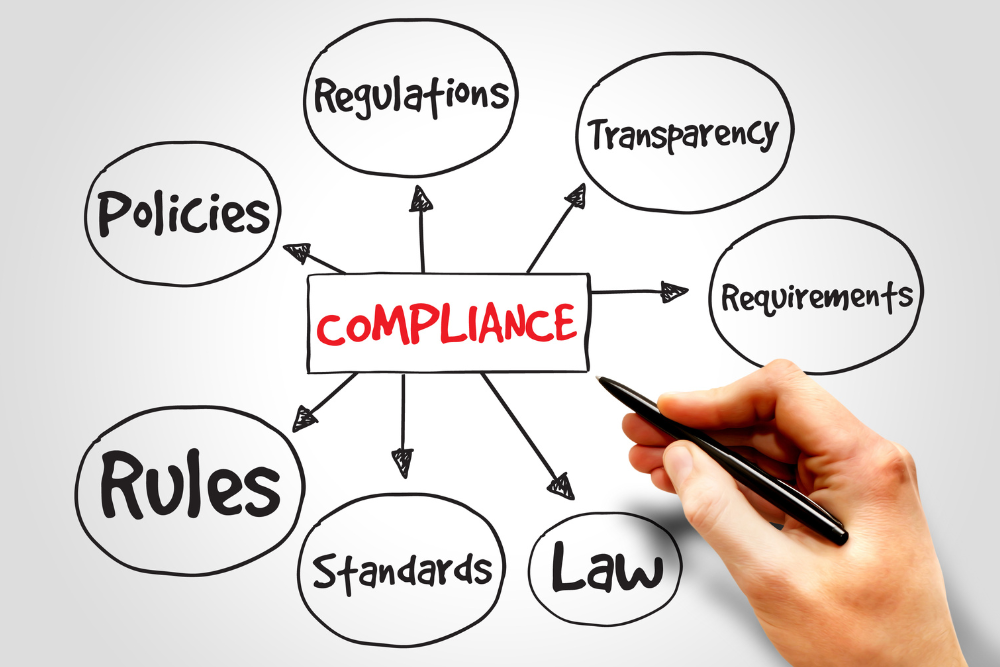
Conducting effective risk assessments is crucial in the realm of IT compliance and risk management. As organizations increasingly rely on technology, the need to identify, analyze, and mitigate potential risks becomes paramount. By utilizing various methodologies and frameworks, organizations can better safeguard their information systems and ensure compliance with regulatory standards.A risk assessment strategy serves as a systematic approach for identifying vulnerabilities and determining the potential impact of various threats.
Different methodologies can be employed in IT risk assessments, each offering unique perspectives and insights. This allows organizations to tailor their risk assessment processes to meet specific compliance requirements and business objectives.
Risk Assessment Methodologies Used in IT Compliance
Risk assessment methodologies can be broadly categorized into two primary approaches: qualitative and quantitative. Each approach has its advantages and limitations, influencing how organizations assess risk.Qualitative risk assessment focuses on descriptive analysis. It emphasizes the likelihood and impact of risks through subjective judgment rather than numerical data. Factors such as expert opinions, team discussions, and historical data are commonly employed to gauge risks.
This approach is particularly useful when data is limited or when it is difficult to assign numerical values to risks.Conversely, quantitative risk assessment uses statistical methods to assign numerical values to risks. This approach allows organizations to calculate potential losses and likelihoods, providing a more objective basis for decision-making. Techniques such as Monte Carlo simulations, value-at-risk (VaR), and expected monetary value (EMV) are often utilized in this methodology.Both approaches have their merits.
For example, qualitative assessments are often faster and can be less resource-intensive, making them suitable for preliminary evaluations. On the other hand, quantitative assessments, while more complex, can provide a clearer picture of potential financial impacts.
Steps for Conducting a Comprehensive IT Risk Assessment
A comprehensive IT risk assessment involves several critical steps that ensure thoroughness and accuracy. Following a structured process not only enhances the reliability of risk evaluations but also aids in compliance with regulatory standards. The key steps include:
1. Establishing the Context
Define the scope and boundaries of the assessment, including the assets, stakeholders, and regulatory requirements involved.
2. Identifying Risks
Recognize potential risks to IT systems, including internal and external threats. Methods such as brainstorming sessions, threat modeling, and reviewing incident reports can be employed.
3. Analyzing Risks
Evaluate the identified risks by assessing their likelihood and potential impact. Utilize qualitative and quantitative methods to determine the risks’ severity and urgency.
4. Evaluating Risks
Compare the analyzed risks against predefined criteria to prioritize them based on their significance and the organization’s risk tolerance.
5. Treating Risks
Develop strategies for mitigating identified risks, which may involve implementing controls, transferring risk, or accepting certain risks based on a cost-benefit analysis.
6. Monitoring and Reviewing
Continuously monitor the risk environment and review the risk assessment process to ensure its relevance and effectiveness. Regular updates are essential as technology and regulatory landscapes evolve.
7. Communicating Findings
Present the results of the risk assessment to relevant stakeholders. Clear communication fosters awareness and supports informed decision-making across the organization.By adhering to these steps, organizations can create a robust framework for managing IT risks, enhancing compliance efforts, and ultimately contributing to the organization’s overall security posture.
IT Governance and Compliance Frameworks
In the rapidly evolving landscape of information technology, robust governance and compliance frameworks are essential for organizations aiming to manage risks and meet regulatory requirements. These frameworks provide structured guidelines and best practices for aligning IT processes with business objectives while ensuring compliance with applicable laws and standards.Two of the most recognized governance frameworks in the IT domain are COBIT and ISO 27001.
COBIT (Control Objectives for Information and Related Technologies) is designed to improve the governance and management of enterprise IT. ISO 27001, on the other hand, is an international standard specifying the requirements for establishing, implementing, maintaining, and continually improving an information security management system (ISMS). Both frameworks serve as valuable resources for organizations seeking to enhance their compliance posture with a focus on risk management.
Overview of Governance Frameworks
Understanding the different governance frameworks available is crucial for organizations in selecting the appropriate one to align with their compliance needs. Below is a comparative analysis of some popular IT governance frameworks, highlighting their primary features and compliance requirements.
| Framework | Focus Area | Compliance Requirements | Key Benefits |
|---|---|---|---|
| COBIT | IT Governance and Management | Applicable laws, regulations, and standards | Improved risk management and decision-making |
| ISO 27001 | Information Security | Data protection regulations (e.g., GDPR) | Enhanced information security and risk reduction |
| NIST Cybersecurity Framework | Cybersecurity Management | Federal regulations and guidelines | Framework for managing cybersecurity risks |
| ITIL | IT Service Management | Service delivery and customer satisfaction | Improved service quality and efficiency |
Integrating governance frameworks into existing IT infrastructures involves a structured approach that ensures alignment with organizational processes and strategic goals. The following steps Artikel the process for effective integration:
Assessment of Current IT Practices
A thorough evaluation of existing IT processes and governance practices is essential. This helps identify gaps and areas for improvement.
Selection of Appropriate Framework
Based on the assessment, organizations should select the framework that best aligns with their strategic objectives and compliance requirements.
Stakeholder Engagement
Engaging key stakeholders across departments is vital to ensure buy-in and support for the implementation of the chosen framework.
Implementation Planning
Develop a detailed implementation plan that Artikels timelines, resource allocation, and specific responsibilities for team members.
Training and Awareness
Conduct training sessions to familiarize employees with the new framework and its relevance. This step is crucial for fostering a culture of compliance and governance.
Monitoring and Continuous Improvement
Establish mechanisms to regularly monitor adherence to the framework and continuously assess and improve governance practices based on feedback and changing regulatory landscapes.
Effective IT governance frameworks empower organizations to manage risks, comply with regulations, and achieve strategic objectives.
Tools and Technologies for Compliance Management
The landscape of IT compliance management is significantly enhanced by various tools and technologies designed to streamline compliance monitoring and reporting processes. These solutions not only assist organizations in adhering to regulatory requirements but also foster a culture of accountability and transparency within IT operations.The integration of technology in compliance management facilitates the automation of tasks, making the monitoring process more efficient and reducing the risk of human error.
Organizations can leverage advanced software tools that provide real-time visibility into their compliance status, ensuring that they remain aligned with legal and regulatory standards.
Software Tools for IT Compliance Monitoring
Numerous software tools are available that cater to the specific needs of organizations engaged in IT compliance. These tools not only automate compliance tasks but also provide comprehensive reporting features. Key examples include:
- Qualys Compliance Suite: This platform offers automated compliance assessments and continuous monitoring, helping organizations to comply with various standards such as PCI DSS and HIPAA.
- ServiceNow Governance, Risk, and Compliance: A robust solution that integrates risk management with compliance processes, enabling organizations to streamline workflows and ensure regulatory adherence.
- RSA Archer: This tool is designed for managing risks and compliance activities in a unified platform, offering dashboards and reporting capabilities that enhance visibility into compliance status.
- LogicGate: This flexible platform allows organizations to create customized compliance workflows, making it easier to adapt to changing regulations and business needs.
The Role of Automation in Compliance Management
Automation plays a crucial role in enhancing the effectiveness of compliance management systems. By automating repetitive tasks such as data collection and report generation, organizations can significantly reduce the time and resources needed to maintain compliance. Automation also enables real-time monitoring, allowing organizations to detect and address compliance issues promptly.
“Automating compliance-related processes not only improves efficiency but also enhances accuracy, ensuring organizations can meet regulatory requirements consistently.”
Moreover, automated systems can facilitate audit trails by maintaining comprehensive logs of compliance activities, making it easier to demonstrate adherence to regulations during audits. This capability not only fosters confidence in compliance practices but also serves as a valuable resource during regulatory reviews.
Best Practices for Selecting Technology Solutions for Compliance
Choosing the right technology solutions for compliance management is paramount for organizations aiming to uphold regulatory standards effectively. Several best practices should guide the selection process:
- Assess Organizational Needs: Conduct a thorough assessment of your organization’s compliance requirements, including applicable regulations and internal policies to ensure the selected tool aligns with specific needs.
- Evaluate Scalability: Select tools that can scale with your organization’s growth. As regulatory demands evolve, the chosen solution should accommodate growing complexities without requiring a complete overhaul.
- Ensure Integration Capabilities: Opt for solutions that can integrate seamlessly with existing IT systems. This interoperability enhances data flow and reduces the risk of siloed compliance efforts.
- Focus on User Experience: Prioritize tools that are user-friendly and provide intuitive dashboards. A well-designed interface facilitates quicker adoption across the organization and minimizes training time.
Risk Mitigation Techniques

In the realm of IT compliance and risk management, effective risk mitigation techniques are essential for safeguarding organizations against potential threats. By implementing these strategies, businesses can minimize vulnerabilities and ensure operational continuity. Understanding these approaches enables organizations to not only address present risks but also to prepare for future uncertainties.Risk mitigation involves a strategic approach to reduce the likelihood and impact of identified risks within IT operations.
Organizations must develop comprehensive risk response plans that Artikel specific actions to be taken in response to various risk scenarios. These plans are vital for maintaining compliance with regulatory requirements while protecting sensitive data and resources.
Effective Risk Mitigation Strategies in IT Operations
Organizations can adopt various strategies to mitigate risks within their IT frameworks. It is crucial to identify and tailor these strategies according to the specific needs and vulnerabilities of the organization. The following are key strategies for effective risk mitigation:
- Risk Avoidance: Altering plans to sidestep potential risks entirely. This may involve changing processes or systems to eliminate the risk factor.
- Risk Reduction: Implementing measures to reduce the impact or likelihood of risks. This often includes investing in updated technologies or enhanced training for employees.
- Risk Sharing: Distributing the burden of risk among multiple parties, such as outsourcing certain IT functions or obtaining insurance coverage.
- Risk Acceptance: Acknowledging the risk and deciding to proceed with the activity knowing the potential consequences, typically used when the cost of mitigation exceeds the potential loss.
Development of a Risk Response Plan
Creating a risk response plan involves a systematic approach that encompasses the identification, assessment, and prioritization of risks, followed by the formulation of strategies to address them. A well-structured risk response plan should include:
- Risk Identification: Cataloging potential risks that might affect the organization’s IT operations.
- Impact Analysis: Evaluating the potential consequences of each identified risk on business processes and compliance.
- Response Strategy Development: Formulating specific actions for mitigating each risk, ensuring proper resource allocation and stakeholder involvement.
- Monitoring and Review: Establishing ongoing processes for monitoring risk exposure and the effectiveness of the response strategies.
Risk Mitigation Tools and Techniques
Utilizing appropriate tools and techniques is crucial for effective risk management in IT operations. The following tools and techniques can assist organizations in implementing their risk mitigation strategies:
- Risk Management Software: Tools like RiskWatch or LogicManager that help track, assess, and manage risks efficiently.
- Firewalls and Intrusion Detection Systems: Security measures that protect IT systems from unauthorized access and potential threats.
- Data Encryption: Techniques that safeguard sensitive data by converting it into a secure format, ensuring confidentiality.
- Employee Training Programs: Initiatives that educate staff on compliance requirements and best practices in cybersecurity.
- Incident Response Plans: Preparedness strategies that Artikel the steps to take in the event of a security breach or data loss.
Effective risk mitigation in IT requires a proactive approach, continuous monitoring, and the adaptation of strategies to changing environments.
The Role of Training and Awareness in Compliance

Training and awareness are pivotal components in establishing a robust compliance culture within organizations. The effectiveness of compliance initiatives heavily relies on the knowledge and understanding of staff regarding regulatory requirements and internal policies. A well-informed workforce not only mitigates compliance risks but also enhances overall organizational integrity and reputation.
Importance of Training Programs in Fostering a Compliance Culture
Effective training programs serve as a foundation for cultivating a culture of compliance. They engage employees at all levels, ensuring that everyone comprehends their responsibilities and the implications of non-compliance. These programs can lead to a proactive compliance environment where employees feel empowered to speak up about potential risks or misconduct. The benefits of implementing comprehensive training programs include:
- Enhancing employee awareness of relevant laws and regulations.
- Encouraging ethical behavior and decision-making.
- Reducing the likelihood of violations and associated penalties.
- Fostering accountability and ownership among employees.
Approaches for Designing Effective Compliance Training, IT compliance and risk management consulting
Designing compliance training requires a strategic approach to ensure that the content is relevant, engaging, and applicable to the specific workforce. Consideration should be given to the following elements:
1. Target Audience Analysis
Understanding the roles, responsibilities, and specific compliance needs of different employee segments helps tailor training effectively.
2. Interactive Learning Methods
Incorporating case studies, simulations, and real-life scenarios can enhance engagement and retention of knowledge.
3. Use of Technology
Leveraging Learning Management Systems (LMS) to deliver training and track progress can streamline the training process.
4. Continuous Improvement
Regularly updating training materials to reflect changes in regulations and organizational policies is essential to maintain relevance.
Methods for Measuring the Effectiveness of Compliance Training Initiatives
Measuring the effectiveness of compliance training is crucial to ascertain its impact and identify areas for improvement. Various methods can be employed to evaluate training success:
Pre- and Post-Training Assessments
Conducting assessments before and after training sessions can quantify knowledge gained and identify knowledge gaps.
Surveys and Feedback
Collecting feedback from participants regarding the training content, delivery, and applicability can provide insights into its effectiveness.
Monitoring Compliance Metrics
Analyzing compliance-related incidents and improvements in adherence to policies post-training can indicate training efficacy. A decline in violations or disciplinary actions can serve as an important indicator of success.
Ongoing Evaluations
Implementing regular check-ins and refresher courses ensures the workforce remains updated and reinforces a culture of continuous compliance awareness.
Training is not just a regulatory obligation; it is an investment in the organization’s integrity and sustainability.
Continuous Monitoring and Improvement of Compliance Programs
Continuous monitoring plays a crucial role in ensuring that IT compliance programs remain effective and responsive to evolving risks and regulatory requirements. Organizations must recognize that compliance is not a one-time effort but an ongoing process that requires vigilance and adaptability. This section delves into the significance of continuous monitoring, the metrics that gauge compliance effectiveness, and a framework for ongoing compliance enhancement.
Significance of Continuous Monitoring in IT Compliance
Continuous monitoring is essential for maintaining the integrity and effectiveness of IT compliance programs. It enables organizations to identify potential compliance issues proactively and respond to them in a timely manner. The primary benefits of continuous monitoring include:
- Real-time oversight of compliance activities, facilitating immediate corrective actions.
- Enhanced visibility into the organization’s compliance posture, allowing for informed decision-making.
- Assurance that compliance policies and procedures are being followed consistently across the organization.
- Identification of trends or patterns that may indicate emerging risks, enabling proactive risk management.
Implementing continuous monitoring helps organizations adapt to regulatory changes and shifts in the threat landscape. For instance, an organization may utilize automated tools that provide alerts when compliance thresholds are breached, allowing for swift intervention.
Metrics Used to Measure Compliance Effectiveness
To evaluate the effectiveness of compliance programs, organizations must utilize a variety of metrics that provide insights into their compliance status. These metrics should be quantifiable and relevant to the specific compliance requirements of the organization. Key metrics include:
- Percentage of compliance with established policies and procedures.
- Number of compliance breaches or incidents reported over a specific period.
- Time taken to resolve compliance issues once identified.
- Employee training completion rates related to compliance topics.
- Results from internal audits and assessments conducted at regular intervals.
Tracking these metrics enables organizations to gauge their compliance effectiveness and identify areas needing improvement. The metrics should be reviewed regularly to ensure that they remain aligned with organizational goals and regulatory expectations.
Framework for Ongoing Compliance Improvement Initiatives
Establishing a framework for continuous improvement in compliance involves several critical components that work together to enhance the compliance posture of an organization. This framework includes:
- Regular Assessment: Conduct periodic evaluations of compliance programs to identify strengths and weaknesses.
- Feedback Mechanisms: Implement systems for collecting feedback from employees and stakeholders regarding compliance processes.
- Training and Development: Provide ongoing training and resources to ensure that employees remain informed about compliance requirements.
- Technology Utilization: Leverage advanced tools and technologies to automate compliance monitoring and reporting.
- Management Engagement: Ensure that leadership is actively involved in compliance initiatives and that there is accountability at all levels.
By adopting this framework, organizations can foster a culture of compliance where continuous improvement is integrated into their daily operations. It encourages adaptability and resilience in the face of changing regulatory landscapes and emerging risks, ensuring long-term sustainability and compliance success.
“Continuous monitoring transforms compliance from a static obligation to an adaptive business process.”
Case Studies of Successful Compliance Implementations
The implementation of effective IT compliance strategies is crucial for organizations to safeguard their data and maintain operational integrity. By examining case studies of organizations that have successfully enhanced their compliance posture, we can gain insights into the strategies they employed, the challenges they encountered, and the significant benefits they realized from their efforts.
Case Study: Financial Services Firm Enhancing Data Privacy Compliance
A leading financial services firm faced challenges in adhering to the General Data Protection Regulation (GDPR) and other data privacy laws. Their compliance framework was fragmented, with disparate systems and processes that hindered a unified approach to data protection.The organization undertook a multi-phased strategy to address these compliance gaps. Key initiatives included:
- Conducting a Comprehensive Risk Assessment: The firm executed an extensive risk assessment to identify vulnerabilities in their data handling practices. This assessment facilitated targeted improvements.
- Implementing a Centralized Compliance Management System: A dedicated compliance management system was introduced to centralize data privacy efforts, enabling better monitoring and reporting.
- Employee Training Programs: The firm launched tailored training sessions to educate staff about data privacy regulations and the importance of compliance.
Despite initial resistance to change and the complexity of integrating new technologies, the financial institution successfully implemented these strategies. As a result, they experienced a 45% reduction in data breaches within the first year and improved customer trust reflected in a 20% increase in client satisfaction scores.
Case Study: Healthcare Provider Achieving HIPAA Compliance
A mid-sized healthcare provider recognized the need to enhance its compliance with the Health Insurance Portability and Accountability Act (HIPAA). The organization faced challenges including outdated security protocols and a lack of standardized processes for handling patient information.To address these issues, the healthcare provider implemented the following strategies:
- Risk Management Framework Implementation: The provider adopted a risk management framework that aligned with HIPAA requirements, ensuring systematic identification and mitigation of risks.
- Upgrading IT Infrastructure: Significant investments were made to upgrade their IT systems, enhancing data encryption, access controls, and audit capabilities.
- Cultivating a Culture of Compliance: Ongoing training and awareness programs were developed to embed a compliance-oriented culture among staff at all levels.
The challenges included budget constraints and the need for ongoing staff engagement. Nonetheless, these efforts led to a successful HIPAA compliance audit, resulting in the elimination of potential fines and an increase in patient trust. The organization reported a 30% reduction in compliance-related incidents over two years.
Case Study: Retail Company Integrating PCI DSS Standards
A prominent retail company faced frequent audits and scrutiny regarding its payment processing systems. Compliance with the Payment Card Industry Data Security Standard (PCI DSS) was paramount to mitigate data breaches and protect customer information.To improve their compliance posture, the retail company implemented several key measures:
- Establishing a Cross-Functional Compliance Team: A dedicated team was created to oversee PCI DSS compliance across various departments, fostering collaboration and accountability.
- Implementing Advanced Security Technologies: The organization invested in state-of-the-art security technologies, including encryption and tokenization, to protect customer payment data.
- Conducting Regular Compliance Audits: Regular internal audits were instituted to assess compliance levels and identify areas for improvement in real-time.
Despite facing challenges related to staff training and technology integration, the retail company successfully achieved compliance with PCI DSS. This enhanced compliance framework not only reduced the risk of data breaches but also improved customer loyalty, resulting in a 15% increase in sales over the subsequent quarter.
“The journey of compliance is not just about meeting regulatory standards; it is about building trust and resilience in an organization.”
Questions Often Asked
What is IT compliance?
IT compliance refers to the process of ensuring that an organization’s IT systems and practices adhere to relevant laws, regulations, and standards.
Why is risk management important in IT?
Risk management is essential in IT to identify, assess, and mitigate potential risks that could threaten an organization’s information security and operational integrity.
What role do consulting services play in compliance?
Consulting services provide expert guidance and support to organizations in developing, implementing, and monitoring effective IT compliance and risk management strategies.
How can organizations benefit from compliance training?
Compliance training enhances employees’ understanding of regulatory requirements and fosters a culture of accountability, ultimately reducing the risk of non-compliance.
What are some common compliance frameworks?
Common compliance frameworks include GDPR, HIPAA, PCI DSS, COBIT, and ISO 27001, each tailored to address specific regulatory requirements.
