Hybrid cloud architecture design services are becoming increasingly vital in today’s dynamic IT landscape, enabling organizations to leverage the best of both public and private cloud environments. This innovative approach not only enhances operational efficiency but also offers unparalleled flexibility and scalability, making it an attractive option for businesses looking to optimize their IT infrastructure.
In an era where digital transformation is paramount, the hybrid cloud model stands out by allowing businesses to tailor their cloud strategies according to their specific needs. By integrating on-premises resources with cloud services, companies can ensure a seamless flow of data and applications, ultimately driving better performance and cost-effectiveness.
Introduction to Hybrid Cloud Architecture
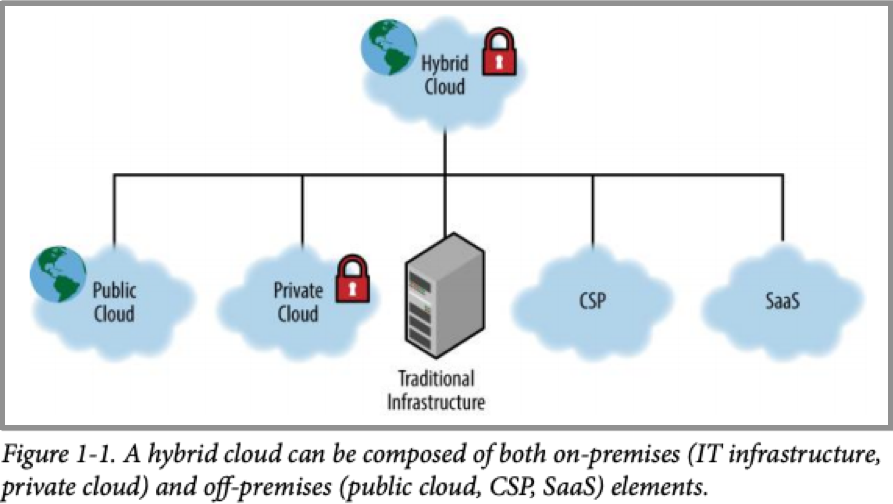
Hybrid cloud architecture combines on-premises infrastructure with public cloud resources, offering a flexible and scalable IT environment. This model allows organizations to leverage both private and public clouds, supporting a diverse range of applications and workloads while maintaining control over sensitive data.The significance of hybrid cloud architecture in modern IT environments cannot be overstated. It provides a solution for businesses looking to optimize their infrastructure costs while meeting varying demands for performance and security.
With the ability to dynamically allocate resources between private and public clouds, organizations can respond swiftly to changes in market conditions, seasonal demands, or unexpected challenges.
Examples of Businesses Utilizing Hybrid Cloud Solutions
Various industries are successfully implementing hybrid cloud solutions to enhance their operational efficiency and service delivery. Here are notable examples:
- Financial Services: Major banks are adopting hybrid cloud architecture to manage sensitive customer data securely while utilizing scalable cloud resources for analytics and data processing. For instance, JPMorgan Chase has integrated hybrid cloud technologies to improve their data management and analytics capabilities, enhancing customer service and operational efficiency.
- Healthcare: Healthcare providers utilize hybrid cloud to comply with stringent regulations regarding patient data while benefiting from the computational power of public clouds for research and analytics. The Mayo Clinic employs hybrid cloud solutions to securely process and analyze large datasets, facilitating advanced research and improved patient care.
- Retail: Retailers are leveraging hybrid cloud to manage inventory and customer data, especially during peak shopping seasons. Amazon uses hybrid cloud infrastructure to ensure its services remain responsive and scalable, handling massive traffic spikes during events like Black Friday.
Key Components of Hybrid Cloud Architecture
Hybrid cloud architecture consists of various interconnected components that work together to provide a flexible and efficient computing environment. It leverages the strengths of both public and private cloud infrastructures, enabling organizations to optimize their resources and improve scalability. Understanding these key components is crucial for businesses looking to implement or enhance their hybrid cloud solutions.The essential components of hybrid cloud architecture include public and private clouds, orchestration and management tools, network connectivity, and security protocols.
Each of these elements plays a vital role in ensuring seamless integration and operation across different environments.
Public and Private Clouds
Public clouds are services offered by third-party providers over the internet, allowing users to access and utilize computing resources on a pay-as-you-go basis. They provide immense scalability and flexibility, making them suitable for handling variable workloads and large-scale applications. Examples of public cloud providers include Amazon Web Services (AWS), Microsoft Azure, and Google Cloud Platform.Private clouds, on the other hand, are dedicated infrastructures tailored for a single organization.
They can be hosted on-premises or by a third-party provider and offer greater control over data security and compliance. This makes private clouds particularly appealing for industries with stringent regulatory requirements, such as finance and healthcare. The hybrid cloud model combines both public and private clouds, enabling organizations to store sensitive data in a secure private cloud while leveraging the expansive resources of the public cloud for less critical workloads.
This approach allows for flexibility in resource allocation based on business needs.
Orchestration and Management Tools
Orchestration and management tools are essential for coordinating and managing resources across both public and private cloud environments. These tools facilitate automation, ensuring that workloads are efficiently distributed and executed in the most appropriate environment. Key functionalities of orchestration and management tools include:
- Resource Provisioning: Automating the allocation and configuration of resources across multiple cloud environments.
- Monitoring and Reporting: Providing real-time insights into resource usage, performance, and health across the hybrid cloud architecture.
- Workload Management: Enabling the optimal placement of workloads based on performance requirements, cost, and compliance needs.
- Security Management: Ensuring that security policies are consistently enforced across all platforms, helping to safeguard sensitive data.
The importance of these tools cannot be overstated, as they empower organizations to achieve operational efficiency and maintain control over their hybrid cloud environments. By utilizing appropriate orchestration tools, businesses can effectively streamline their cloud operations and respond swiftly to changing demands.
“Hybrid cloud architecture reinforces the balance between security and flexibility, essential for modern enterprises.”
Designing Hybrid Cloud Architecture

Designing an effective hybrid cloud architecture is essential for organizations seeking to leverage both on-premises and cloud resources. A well-structured approach enables businesses to maximize their IT investments while ensuring flexibility, scalability, and security.Creating a hybrid cloud architecture involves a series of methodical steps that help in aligning the IT environment with business goals. This process requires careful planning and a clear understanding of the existing infrastructure, cloud capabilities, and organizational requirements.
Below are the key steps involved in designing a robust hybrid cloud architecture.
Step-by-Step Guide for Designing Hybrid Cloud Architecture
The following guide Artikels the critical steps necessary for designing a hybrid cloud architecture that meets organizational needs.
- Assess Current Infrastructure: Begin by evaluating your existing on-premises infrastructure, including hardware, software, and networking resources. Identify which workloads are suitable for migration to the cloud and which should remain on-premises.
- Define Business Requirements: Clearly Artikel the business objectives that the hybrid cloud architecture aims to achieve, such as cost efficiency, performance improvement, or enhanced disaster recovery capabilities.
- Select Cloud Service Providers: Research and select cloud service providers that align with your business requirements. Factors such as compliance, security, and service-level agreements (SLAs) should be considered.
- Design Network Architecture: Establish a network design that facilitates seamless communication between on-premises and cloud resources. This includes configuring VPNs or dedicated connections to ensure secure and reliable access.
- Implement Security Measures: Incorporate security protocols and measures that protect data in transit and at rest. This includes encryption, identity and access management (IAM), and regular security assessments.
- Plan for Data Management: Develop a strategy for data synchronization, backup, and recovery between on-premises and cloud environments. Ensure that data integrity and accessibility are maintained.
- Establish Governance Policies: Create governance frameworks that dictate how resources are to be managed, including compliance, monitoring, and resource allocation.
- Test and Optimize: Before full-scale deployment, conduct testing of the hybrid cloud architecture. Optimize performance and scalability based on test results and feedback.
Best Practices for Integrating On-Premises Resources with Cloud Services
Successful integration of on-premises resources with cloud services requires adherence to several best practices that enhance performance and reliability.Begin by fostering a strong collaboration between IT teams and cloud providers. This partnership facilitates better alignment of objectives and shared responsibilities. Implementing a well-defined API strategy allows for easier communication between systems and encourages interoperability. Additionally, employing automation tools can streamline deployment and management processes, reducing the risk of human error.Furthermore, establish a comprehensive monitoring framework that provides real-time visibility into both on-premises and cloud environments.
This enables proactive problem resolution and performance optimization. Implementing a hybrid cloud management platform can centralize management tasks, automate workflows, and ensure consistent policies across environments.
Security Considerations When Designing Hybrid Cloud Solutions
Security is a paramount concern when designing hybrid cloud solutions, given the complexities introduced by integrating multiple environments. Organizations must prioritize security considerations throughout the design process.Implement robust identity and access management (IAM) protocols to control access to both on-premises and cloud resources. This includes multi-factor authentication and role-based access controls to reduce the risk of unauthorized access. Data encryption should be applied to sensitive data, both in transit and at rest, ensuring confidentiality and compliance with regulations.Regular security assessments and audits must be conducted to identify vulnerabilities and ensure that security measures are effective.
Organizations should also have an incident response plan in place to quickly address potential breaches and minimize damage.In summary, the design of hybrid cloud architecture should be approached systematically, incorporating best practices and security measures that align with organizational goals. By following these guidelines, organizations can create a hybrid cloud environment that is both efficient and secure.
Benefits of Hybrid Cloud Architecture
Hybrid cloud architecture offers a multitude of benefits for businesses seeking to optimize their IT infrastructure. By combining the strengths of both public and private cloud solutions, organizations can enhance their operational efficiency, improve resource allocation, and drive innovation. This flexibility makes hybrid cloud an attractive option for a diverse range of industries.One of the significant advantages of adopting hybrid cloud architecture is its ability to enhance scalability and flexibility.
Organizations can easily adjust their resources to meet fluctuating demands without investing heavily in physical infrastructure. This elasticity allows businesses to respond promptly to market changes and operational requirements.
Scalability and Flexibility Enhancements
The inherent design of hybrid cloud architecture facilitates a scalable environment that can meet the varying workloads of organizations. By leveraging both public and private clouds, businesses can distribute workloads according to their specific needs.
- On-Demand Resources: Hybrid cloud solutions enable businesses to access additional resources on-demand from public cloud providers during peak times, ensuring continuity and performance without over-provisioning.
- Adaptability to Business Growth: As organizations grow, their IT requirements evolve. Hybrid cloud architecture supports this growth by allowing businesses to expand their infrastructure seamlessly without significant investments in hardware.
- Cost-Effectiveness: Utilizing a hybrid cloud setup allows companies to optimize costs by keeping sensitive data on a private cloud while offloading less critical workloads to the more economical public cloud.
Case Studies of Cost-Effectiveness
Numerous organizations have successfully implemented hybrid cloud solutions, realizing significant cost savings and improved operational efficiency. One notable example is a global retail company that transitioned to a hybrid cloud model. By migrating its non-critical applications and customer-facing services to the public cloud, the company reduced its overall IT expenditures by approximately 30%. This transition allowed them to allocate more resources to innovation and customer experience enhancement while maintaining data security in their private cloud.Another case involves a healthcare provider that utilized hybrid cloud architecture to manage patient data and operational systems.
By retaining sensitive patient data on a private cloud, while utilizing public cloud resources for analytics and application hosting, the organization achieved a 25% reduction in IT costs while improving service delivery speed.These case studies underscore the cost-effectiveness and efficiency that hybrid cloud architecture can provide, making it a strategic choice for businesses aiming to thrive in a competitive landscape.
Challenges in Hybrid Cloud Architecture: Hybrid Cloud Architecture Design Services

Implementing hybrid cloud solutions can offer significant advantages, but organizations often encounter various challenges during deployment and integration. Understanding these obstacles is essential for ensuring a smooth transition and maximizing the benefits of a hybrid cloud environment. This section will explore common challenges, interoperability issues, and the crucial aspects of compliance and governance in hybrid cloud architecture.
Common Challenges in Implementing Hybrid Cloud Solutions
Organizations face numerous challenges when adopting hybrid cloud architectures. Key challenges include:
- Complexity of Integration: Integrating on-premises infrastructure with multiple cloud environments can lead to complexity in managing resources, data, and applications.
- Data Security Risks: Storing and transferring sensitive data between public and private clouds raises risks of data breaches and compliance violations.
- Performance Issues: Latency and bandwidth limitations can affect application performance, especially when data is transferred between diverse cloud environments.
- Cost Management: Unforeseen costs can arise due to the complexity of managing multiple environments, leading to budget overruns.
Strategies to Overcome Interoperability Issues
Interoperability issues arise when different cloud platforms and services are unable to communicate effectively. To address these concerns, organizations can adopt several strategies:
- Standardized APIs: Implementing standardized application programming interfaces (APIs) can facilitate smoother interactions between disparate systems.
- Middleware Solutions: Utilizing middleware can bridge gaps between different platforms, enabling seamless data exchange and application integration.
- Cloud Management Platforms: Employing cloud management tools allows organizations to monitor and manage resources across multiple environments, reducing friction.
Importance of Compliance and Governance
Compliance and governance are critical components of hybrid cloud architecture. Organizations must ensure that their hybrid cloud deployments adhere to industry standards and regulations. Key considerations include:
- Regulatory Compliance: Organizations need to comply with regulations such as GDPR, HIPAA, and PCI-DSS, which govern data privacy and security.
- Data Governance Policies: Establishing clear data governance policies helps manage data access, usage, and security across hybrid environments.
- Continuous Auditing: Regular audits of cloud services are essential to ensure compliance and identify potential vulnerabilities or gaps in security.
Future Trends in Hybrid Cloud Architecture
As organizations continue to embrace digital transformation, hybrid cloud architecture is poised to evolve rapidly. The convergence of emerging technologies, along with a strategic focus on optimizing resources and compliance, will fundamentally reshape how hybrid cloud environments are designed and utilized. This section explores the key trends likely to influence hybrid cloud architecture in the coming years.
Emerging Technologies Shaping Hybrid Cloud Architecture
Several emerging technologies are expected to play pivotal roles in the advancement of hybrid cloud architecture. These technologies will drive efficiency, enhance security, and facilitate better integration across diverse environments. Key technologies to watch include:
- Containerization: Tools like Kubernetes will enable seamless application deployment across hybrid environments, providing greater flexibility and scalability. The adoption of containers allows organizations to run applications consistently in multiple environments.
- Serverless Computing: This model abstracts server management, allowing developers to focus on code without worrying about infrastructure, thus optimizing resource utilization and reducing costs in hybrid cloud setups.
- Edge Computing: As IoT devices proliferate, hybrid cloud architectures will integrate edge computing to process data closer to where it is generated, enhancing performance and reducing latency.
- Quantum Computing: Though still in its infancy, quantum computing holds the potential to revolutionize data processing capabilities, which could impact how organizations approach data storage and processing in hybrid clouds.
Role of Artificial Intelligence in Optimizing Hybrid Cloud Environments
Artificial Intelligence (AI) is set to significantly enhance the management and operation of hybrid cloud environments. AI can automate several processes, leading to increased efficiency and reduced operational costs. Notable applications include:
- Resource Optimization: AI algorithms can analyze usage patterns and dynamically allocate resources to ensure optimal performance while minimizing wastage.
- Predictive Analytics: By leveraging AI, organizations can forecast demand and adjust their cloud resources proactively, thus preventing potential downtimes or performance bottlenecks.
- Security Enhancements: AI-powered security tools can monitor hybrid environments for unusual behavior and automatically respond to threats, improving the overall security posture of cloud architectures.
Impact of Regulatory Changes on Hybrid Cloud Design Services
Regulatory frameworks governing data protection and privacy are rapidly evolving, which will directly influence hybrid cloud design services. Organizations must navigate these regulations to ensure compliance while optimizing their cloud strategies. Key considerations include:
- Data Residency Requirements: Companies may face stricter data residency laws, necessitating that sensitive data is stored within specific geographical boundaries. This will require careful planning in hybrid cloud configurations.
- Compliance with Industry Standards: Industries such as finance and healthcare are subject to rigorous compliance standards, which will affect how hybrid cloud solutions are designed and implemented.
- Transparency and Accountability: As regulations demand greater transparency, organizations will need to adopt practices that provide clear visibility into data handling and processing within hybrid cloud environments.
Case Studies of Hybrid Cloud Implementations
The adoption of hybrid cloud architecture has been transformative for many organizations, allowing them to combine the strengths of both public and private clouds to optimize their operations. This section explores several successful case studies of hybrid cloud implementations, detailing their strategies, outcomes, and the valuable lessons learned throughout the process.
Global Retail Corporation
A leading global retail corporation transitioned to a hybrid cloud architecture to enhance its e-commerce capabilities during peak shopping seasons. By integrating its on-premises data centers with a public cloud service, the organization was able to scale its resources seamlessly.The implementation resulted in:
-
Increased agility and reduced time-to-market for new applications.
-
Cost savings of approximately 30% during peak periods by leveraging pay-as-you-go cloud resources.
-
Improved customer experience due to faster load times and less downtime.
Testimonials from the IT director highlight the platform’s reliability, stating, “The hybrid cloud allowed us to handle a 200% spike in traffic without any service interruptions.”
Healthcare Provider Network
A large healthcare provider adopted a hybrid cloud strategy to address data compliance and security requirements while also improving patient care services. By utilizing private clouds for sensitive patient data and public clouds for non-sensitive operations, the organization achieved a secure and efficient system.Key outcomes included:
-
Enhanced data security and compliance with healthcare regulations.
-
Streamlined operations led to a 40% improvement in patient data processing times.
-
Facilitated better collaboration among healthcare professionals through cloud-based tools.
The CIO shared, “The hybrid approach not only secured our sensitive data but also empowered us to innovate in patient care.”
Financial Services Firm, Hybrid cloud architecture design services
A prominent financial services firm implemented hybrid cloud architecture to modernize its legacy systems and improve operational efficiency. By integrating cloud services, the firm was able to enhance its analytics capabilities and customer service.The implementation yielded:
-
Reduced operational costs by 25% through optimized resource allocation.
-
Faster data analysis allowed for real-time decision-making.
-
Scalable infrastructure that met fluctuating business demands without disruption.
According to the head of technology, “The ability to leverage both public and private cloud resources has given us a competitive edge in a fast-paced market.”Each of these case studies exemplifies the effectiveness of hybrid cloud architecture in improving operational efficiencies, enhancing security, and providing scalable solutions. Organizations that have successfully transitioned to hybrid cloud environments report not only tangible benefits but also strategic advantages in today’s technology-driven landscape.
Tools and Technologies for Hybrid Cloud
The adoption of hybrid cloud architectures has been greatly facilitated by a variety of tools and technologies, which enhance functionality, management, and interoperability between on-premises and cloud environments. These resources empower organizations to effectively manage their hybrid cloud environments, ensuring smooth operations and maximizing the benefits of cloud computing.
Popular Tools and Technologies for Hybrid Cloud
Several tools and technologies have emerged as essential components in the design and implementation of hybrid cloud architectures. These tools facilitate seamless integration, management, and optimization of resources. The following list highlights some of the most widely used solutions:
- VMware vCloud: A robust platform that provides cloud management and virtualization capabilities, enabling organizations to deploy, manage, and monitor hybrid cloud environments effectively.
- Microsoft Azure Stack: This solution extends Azure services to on-premises environments, allowing businesses to build and deploy applications consistently across hybrid environments.
- Red Hat OpenShift: An enterprise Kubernetes platform that supports the development and deployment of containerized applications in hybrid cloud settings, promoting flexibility and scalability.
- IBM Cloud Pak: A suite of integrated software solutions that utilize Kubernetes to enable applications to run seamlessly on any cloud, enhancing flexibility and control.
- Google Anthos: A platform that allows organizations to manage applications across hybrid and multi-cloud environments, integrating Google Cloud services with on-premises resources.
Functionality of Cloud Service Management Platforms
Cloud service management platforms play a crucial role in the operational efficiency of hybrid cloud architectures. These platforms offer capabilities that assist organizations in managing their cloud resources effectively. Key functionalities include:
- Resource Provisioning: Automates the allocation of resources across cloud environments, ensuring that workloads are distributed effectively while minimizing waste.
- Monitoring and Reporting: Provides real-time visibility into cloud performance, enabling organizations to track usage, performance metrics, and cost analysis.
- Security Management: Implements security protocols and compliance measures across hybrid clouds, ensuring data integrity and protection from breaches.
- Cost Management: Facilitates tracking and optimization of cloud expenditures, helping businesses to maximize their return on investment in cloud services.
- Integration Capabilities: Allows seamless integration of various cloud services and on-premises systems, ensuring interoperability and flexibility.
Comparison of Hybrid Cloud Solutions
When choosing a hybrid cloud solution, organizations must evaluate the different offerings available in the market, each with its unique features and benefits. Understanding these differences is essential for making informed decisions. The following table summarizes key attributes of leading hybrid cloud solutions:
| Solution | Key Features | Ideal Use Cases |
|---|---|---|
| VMware vCloud | Virtualization, automated management, and security features | Large enterprises with existing VMware infrastructure |
| Microsoft Azure Stack | Consistent Azure services, integrated development tools | Organizations seeking Azure features on-premises |
| Red Hat OpenShift | Container orchestration, multi-cloud compatibility | Businesses focused on DevOps and microservices architecture |
| IBM Cloud Pak | Integrated AI solutions, portability across clouds | Enterprises requiring advanced AI and analytics capabilities |
| Google Anthos | Multi-cloud management, consistent application development | Organizations looking to leverage Google Cloud services alongside other clouds |
Hybrid Cloud Architecture Design Services
Hybrid cloud architecture design services are essential for organizations aiming to blend their on-premises infrastructure with cloud solutions to achieve flexibility, scalability, and cost-effectiveness. These services encompass a comprehensive range of offerings that assist businesses in developing a hybrid cloud environment tailored to their specific needs, ensuring that both existing systems and future scalability are efficiently addressed.The process of engaging with hybrid cloud architecture design service providers involves several key steps that ensure a successful partnership.
Initially, organizations may conduct research to identify potential service providers with relevant expertise and a proven track record in hybrid cloud solutions. Following this, an initial consultation typically occurs, during which the provider assesses the organization’s current infrastructure, business goals, and specific requirements. This collaborative phase allows for the identification of the most suitable architectural design and technologies to employ.
Service Offerings in Hybrid Cloud Architecture Design
A variety of offerings characterize hybrid cloud architecture design services, each aimed at addressing specific aspects of the design and implementation process. Understanding these offerings can help organizations make informed decisions.
- Assessment and Strategy Development: Analysis of existing infrastructure and business goals to create a strategic roadmap for hybrid cloud adoption.
- Architecture Design: Tailored design of hybrid cloud architecture that integrates on-premises and cloud resources effectively, ensuring alignment with organizational needs.
- Implementation Support: Assistance in deploying the hybrid cloud architecture, including provisioning resources and ensuring interoperability between systems.
- Performance Optimization: Ongoing monitoring and tuning of the hybrid cloud environment to maximize efficiency and performance.
- Security and Compliance Planning: Development of security frameworks and compliance strategies to protect sensitive data across hybrid environments.
- Training and Support: Educational resources and support services to empower teams to manage and optimize the hybrid cloud architecture effectively.
Engaging with design service providers leads to a collaborative approach toward crafting a solution that meets both immediate and long-term objectives. Organizations can expect to gain insights into best practices and industry standards through consultations, enabling them to leverage the full potential of hybrid cloud technology.
Consultation Insights
During a hybrid cloud architecture design consultation, organizations can anticipate a thorough exploration of their needs and challenges. Service providers typically engage in deep discussions to identify key objectives and pain points, which inform the development of customized solutions. Organizations should expect the following during consultations:
- Detailed Analysis: A comprehensive evaluation of the current IT landscape, assessing performance, capacity, and any existing constraints.
- Tailored Recommendations: Presentation of actionable insights and recommendations based on the unique context of the organization.
- Technology Selection: Guidance on the selection of the most suitable tools and technologies to implement the hybrid cloud architecture effectively.
- Cost Considerations: Detailed discussions around cost implications, helping organizations to understand budgetary impacts and potential savings.
- Timeline Estimation: Estimates of project timelines and phases to manage expectations and ensure alignment with business priorities.
Frequently Asked Questions
What is hybrid cloud architecture?
Hybrid cloud architecture is a computing environment that combines public cloud services with private cloud resources, allowing data and applications to be shared between them.
What are the main benefits of hybrid cloud architecture?
The main benefits include enhanced scalability, flexibility, improved security, and optimized cost management, enabling organizations to adapt to changing needs quickly.
How can businesses ensure security in hybrid cloud environments?
Businesses can ensure security by implementing robust encryption methods, access controls, and regularly updating their compliance protocols to meet regulatory requirements.
What tools are essential for managing hybrid cloud environments?
Essential tools include cloud management platforms, orchestration tools, and monitoring solutions that help in managing resources across hybrid infrastructures.
How can organizations overcome interoperability challenges?
Organizations can overcome interoperability challenges by utilizing standardized APIs and adopting cloud service integration tools that facilitate seamless communication between different platforms.
