Enterprise cloud migration services sets the stage for this enthralling narrative, offering readers a glimpse into a story that is rich in detail and brimming with originality from the outset. In today’s fast-paced digital landscape, businesses are increasingly recognizing the importance of transitioning to cloud platforms to enhance operational efficiency, improve scalability, and ensure data security. This evolution of cloud technology not only supports business continuity but also unlocks a plethora of innovative possibilities, positioning companies to thrive in a competitive marketplace.
Introduction to Enterprise Cloud Migration Services
Enterprise cloud migration services represent a strategic approach that enables businesses to transition their operations, applications, and data from on-premises infrastructure to cloud-based environments. This shift is increasingly relevant in today’s fast-paced business landscape, where agility, scalability, and cost-efficiency are paramount. As organizations strive to enhance operational efficiency and respond to market demands swiftly, cloud migration has become a cornerstone of their digital transformation strategies.The evolution of cloud technology has been marked by significant advancements, transitioning from basic storage solutions to complex, multifaceted platforms that offer a range of services including computing power, storage, analytics, and more.
This transformation has markedly impacted enterprises, as it enables them to leverage cutting-edge technologies without the heavy investment associated with traditional IT infrastructure. As businesses adopt cloud solutions, they experience a shift from capital expenditures (CapEx) to operational expenditures (OpEx), allowing for more predictable budgeting and resource allocation.
Advantages of Cloud Migration for Businesses
The benefits of adopting cloud migration are manifold, encompassing various aspects that contribute to an enterprise’s overall performance and competitiveness. The following key advantages highlight why businesses are increasingly embracing cloud migration:
- Cost Efficiency: By migrating to the cloud, enterprises can significantly reduce their IT costs. This is achieved through the elimination of hardware purchases, maintenance expenses, and the reduction of energy consumption associated with on-premises data centers.
- Scalability: Cloud environments offer unparalleled scalability, enabling businesses to easily adjust resources based on demand. This flexibility ensures that enterprises can respond to fluctuations in workloads without over-provisioning resources.
- Enhanced Collaboration: Cloud services facilitate improved collaboration among teams, as employees can access files and applications from anywhere with an internet connection. This fosters productivity, especially in remote work scenarios.
- Security and Compliance: Leading cloud service providers invest heavily in security measures, ensuring that sensitive data is protected. Additionally, many providers offer compliance certifications that help businesses meet regulatory requirements.
- Disaster Recovery: Implementing effective cloud migration strategies often comes with built-in disaster recovery solutions. This means that businesses can safeguard their data against loss and ensure business continuity in the event of an outage.
“The cloud is no longer just a technology; it is now a business strategy that drives innovation and growth.”
Types of Cloud Migration Approaches
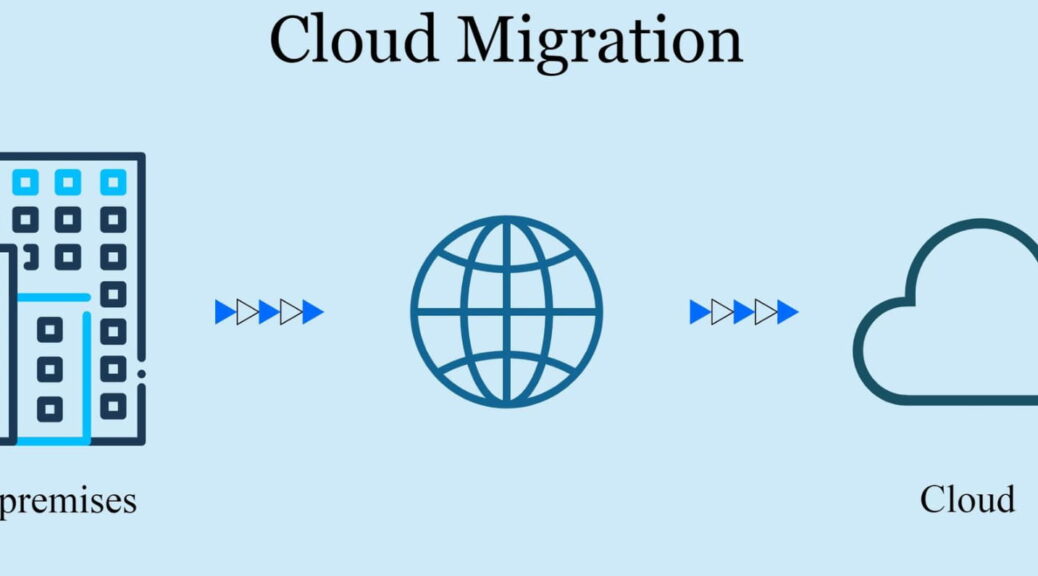
Cloud migration is a critical process for businesses looking to leverage the advantages of cloud computing. As organizations evolve, they often require distinct strategies to transition their applications and data to cloud environments. Choosing the right migration approach is vital for ensuring a smooth transition and maximizing return on investment. This section explores three primary cloud migration strategies: lift-and-shift, refactoring, and re-architecting.
Lift-and-Shift Migration, Enterprise cloud migration services
Lift-and-shift migration, also known as rehosting, involves moving applications and data from on-premises servers to the cloud with minimal modifications. This approach is ideal for businesses seeking quick migrations without the need for significant changes to their existing applications. It allows organizations to achieve immediate cloud benefits, such as scalability, reduced infrastructure costs, and improved availability.Examples of businesses that may benefit from this approach include small to medium-sized enterprises (SMEs) looking to reduce operational costs or enterprises with legacy systems that require immediate migration to mitigate risks.
The steps involved in the lift-and-shift migration process include:
- Assessment: Evaluate existing applications and infrastructure to determine suitability for cloud migration.
- Planning: Develop a migration strategy that Artikels timelines, resource allocation, and potential challenges.
- Execution: Utilize cloud migration tools to transfer applications and data to the target cloud environment.
- Testing: Conduct thorough testing to ensure operational functionality in the cloud setting.
An example of a successful lift-and-shift migration is the case of a mid-sized retail company that migrated its e-commerce platform to the cloud, resulting in a 30% reduction in operational costs and improved website performance.
Refactoring Migration
Refactoring migration involves making minimal changes to applications to optimize them for the cloud environment while retaining their core functionality. This approach is suited for businesses that want to take advantage of cloud-native features without undertaking a complete redesign of their applications. Organizations looking to improve application performance and reduce costs through better resource utilization may find this strategy beneficial.The steps necessary for a refactoring migration include:
- Analysis: Assess applications to identify areas where cloud-native features can be leveraged.
- Modification: Adjust application code and configurations to align with cloud architecture.
- Deployment: Migrate the refactored application to the cloud environment.
- Optimization: Monitor performance and make further adjustments to enhance functionality and efficiency.
For instance, a financial services firm that refactored its internal payment processing system improved transaction speeds by 50% after migrating to a cloud platform designed for high availability and scalability.
Re-architecting Migration
Re-architecting involves a comprehensive redesign of applications to fully leverage the capabilities of cloud computing. This approach is suitable for businesses with complex applications requiring significant enhancements to improve performance, scalability, and resilience. Enterprises looking to innovate and implement advanced features, such as microservices or serverless computing, often benefit from this migration strategy.The steps required for re-architecting include:
- Comprehensive evaluation: Analyze the architecture of existing applications to identify necessary enhancements for cloud optimization.
- Design: Create a new architecture plan that incorporates cloud-native principles.
- Development: Build the new application components or services based on the new architecture.
- Migration: Transition data and applications to the cloud environment, ensuring all components are functioning correctly.
A notable example of re-architecting is the transformation of a global logistics company’s supply chain management system, which underwent a complete overhaul, resulting in a 40% improvement in operational efficiency and a significant reduction in response times.
Key Considerations for Cloud Migration
Before embarking on a cloud migration project, organizations must evaluate several critical factors that can greatly influence the success of the initiative. These considerations encompass various aspects including financial implications, regulatory compliance, and data security. A thorough assessment can guide businesses in making informed decisions and laying the groundwork for a smooth transition to the cloud.Understanding the key considerations for cloud migration enables organizations to identify potential challenges and mitigate risks effectively.
It is essential to ensure that the migration process aligns with both business objectives and industry standards. Below are some of the primary factors that should be on every organization’s radar during this transition.
Cost Assessment
Comprehensive cost assessment is fundamental for successful cloud migration. Organizations should analyze both direct and indirect costs associated with the migration process. Understanding these costs helps in budgeting and avoiding unanticipated expenses. Key aspects of cost assessment include:
- Initial migration expenses, including infrastructure setup and service implementation.
- Ongoing operational costs, such as subscription fees and maintenance charges.
- Potential cost savings from reduced physical infrastructure and maintenance needs.
- Costs related to training staff to manage new systems effectively.
Compliance and Regulatory Requirements
Compliance with data protection regulations is crucial during cloud migration. Organizations must ensure that their cloud solutions adhere to relevant laws and standards, such as GDPR, HIPAA, or PCI DSS, depending on their industry. To assess compliance readiness, organizations should consider:
- The legal obligations that apply to their data types and business operations.
- The cloud service provider’s compliance certifications and audit history.
- Data residency requirements for specific geographical locations.
- Protocols for data access and sharing that align with regulatory standards.
Data Security and Privacy
Data security remains a top priority when migrating to the cloud. Organizations must evaluate the security measures offered by their cloud service provider and ensure that they align with the organization’s security policies.Important factors to consider in data security include:
- Encryption methods for data both at rest and in transit to protect sensitive information.
- Access controls and identity management systems for authorized personnel.
- Incident response strategies in case of data breaches or security threats.
- Regular security audits and compliance checks to maintain high security standards.
Readiness Evaluation Checklist
To ensure organizational readiness for cloud migration, a checklist can be a valuable tool. This checklist should encompass technical, operational, and strategic aspects to provide a comprehensive evaluation.The checklist may include:
- Assessment of current IT infrastructure and applications for cloud compatibility.
- Identification of internal teams’ skills and training needs for effective cloud management.
- Analysis of existing data workflows and how they will adapt to the cloud environment.
- Development of a timeline and milestones for the migration process.
Best Practices for Minimizing Migration Risks
Minimizing risks during cloud migration is essential to ensure a seamless transition. Organizations can adopt several best practices to safeguard their data and operations throughout the migration journey.Some of the best practices include:
- Conducting a pilot migration with non-critical applications to identify potential issues.
- Implementing a robust change management strategy to manage transitions effectively.
- Engaging stakeholders early in the process to gather insights and foster collaboration.
- Establishing a detailed backup plan to prevent data loss during migration.
Tools and Technologies for Cloud Migration
The success of cloud migration hinges significantly on the tools and technologies utilized throughout the process. These tools facilitate the transition of data, applications, and services from on-premises infrastructure or from other cloud environments to a target cloud platform. A variety of tools with distinct functionalities exist in the market, catering to different migration needs, making it essential for organizations to select the appropriate ones that align with their migration objectives.
Popular Tools Used in Cloud Migration
Understanding the range of tools available for cloud migration is crucial for streamlining the migration process. Below is a list of popular tools along with their specific use cases:
- AWS Migration Hub: This tool provides a single location for tracking the progress of application migrations across multiple AWS and partner solutions, enabling organizations to simplify their migration strategy.
- Microsoft Azure Migrate: Designed for migrating on-premises workloads to Azure, this tool offers assessment, migration, and optimization capabilities tailored for various types of applications and services.
- Google Cloud Migrate: This set of tools helps in migrating virtual machines from on-premises environments or other clouds to Google Cloud, enhancing efficiency and reducing downtime.
- CloudEndure: A service that allows for continuous replication of applications and data to the cloud, providing quick recovery options and minimizing downtime during migration.
- VMware Cloud on AWS: This hybrid cloud solution allows organizations to run VMware workloads on AWS infrastructure, simplifying the migration of VMware-based environments to the cloud.
Comparison of Leading Cloud Service Providers and Their Migration Services
When selecting a cloud service provider, it is important to evaluate their migration services and capabilities. Each provider offers unique features designed to facilitate a smooth migration process. Below is a comparison of leading cloud service providers and their migration services:
| Provider | Migration Tool | Key Features |
|---|---|---|
| AWS | AWS Migration Hub | Centralized tracking, supports various migration tools, automated discovery of applications. |
| Microsoft Azure | Azure Migrate | Assessment tools, support for various workloads, integration with existing Azure services. |
| Google Cloud | Google Cloud Migrate | Support for VM migration, integration with Anthos, automated data transfer. |
| IBM Cloud | IBM Cloud Migration Services | Comprehensive planning, execution support, and data management capabilities. |
Integration Methods for Incorporating Existing Applications into the Cloud
Integration of existing applications into the cloud is a critical step in the migration process. Various methods can be employed to ensure that applications function seamlessly within a cloud environment. The following methodologies are commonly used:
- Rehosting: Also known as “lift and shift,” this method involves moving applications to the cloud without significant changes, allowing for quick migration while maintaining existing architecture.
- Refactoring: This approach involves modifying the application code to better suit the cloud environment, enhancing performance and scalability while leveraging cloud-native features.
- Replatforming: Similar to refactoring, this method entails making minimal changes to optimize the application for the cloud, such as switching databases or adopting container orchestration.
- Repurchasing: Organizations may choose to replace existing applications with cloud-based alternatives, transitioning to Software as a Service (SaaS) solutions that fulfill the same business functions.
- Retiring: Some applications may be phased out during the migration process if they are deemed obsolete or unnecessary, streamlining the overall environment in the cloud.
Challenges and Solutions in Cloud Migration: Enterprise Cloud Migration Services

Cloud migration presents organizations with numerous opportunities for enhanced flexibility, scalability, and cost efficiency. However, it also introduces a series of challenges that must be addressed to ensure a seamless transition. Understanding these challenges and implementing effective solutions is crucial for organizations aiming to leverage the full benefits of cloud services.
Common Challenges and Their Solutions
Several challenges frequently arise during cloud migration, impacting both the technical and operational aspects of the process. Below are some of the most common issues along with potential solutions:
- Data Security Concerns: The move to the cloud can expose sensitive data to security threats. To mitigate this risk, organizations should conduct a thorough security assessment before migration. Implementing encryption for data at rest and in transit, alongside robust identity and access management protocols, is essential.
- Integration with Existing Systems: Legacy systems may impede the integration process. It’s advisable to develop a comprehensive integration strategy that includes both custom APIs and middleware solutions to ensure seamless interoperability.
- Cost Overruns: Unexpected costs can arise due to mismanaged resources. Utilizing cloud cost management tools can provide visibility and control over spending, enabling organizations to set budgets and monitor actual usage against projections.
- Performance Issues: Migrating to the cloud can sometimes result in degraded application performance. Conducting performance benchmarking prior to migration and optimizing applications for cloud environments can help in maintaining service levels.
- Compliance and Regulatory Challenges: Ensuring compliance with industry regulations is a significant aspect of cloud migration. Organizations should work closely with legal and compliance teams to understand the implications of moving to the cloud and establish appropriate governance frameworks.
Data Integrity and Downtime Management
During the transition to cloud services, maintaining data integrity and minimizing downtime are critical aspects that require strategic planning. Establishing a clear data migration plan, including pre-migration data validation and post-migration verification processes, is vital. Using automated tools for data transfer can streamline the process and reduce the potential for human error.
“To ensure data integrity, organizations should implement continuous data validation checks throughout the migration process.”
Additionally, scheduling migrations during off-peak hours can significantly minimize downtime. Implementing a phased migration approach allows for gradual transitions, enabling systems to remain operational while parts of the infrastructure are being migrated.
Importance of Ongoing Support and Training
Post-migration, it is essential to provide ongoing support and training for both users and IT staff. Users must be familiar with the new cloud environment to maximize its capabilities, while IT staff need to be equipped with the skills required for managing cloud resources effectively.Ensuring continuous support can be achieved through:
- Regular Training Sessions: Conducting workshops and training programs to keep staff updated on new features and best practices can enhance user adoption and satisfaction.
- Documentation and Resources: Providing accessible documentation and resources helps users troubleshoot issues independently, enhancing their confidence in utilizing the cloud environment.
- User Support Channels: Establishing dedicated support channels, such as helplines or chat support, ensures that users can quickly resolve any issues encountered post-migration.
- Feedback Mechanisms: Implementing feedback loops enables organizations to continually assess user experience and make necessary adjustments to improve service delivery.
Case Studies of Successful Cloud Migrations
The migration to cloud solutions has transformed how organizations operate, allowing them to enhance efficiency, scalability, and innovation. By examining specific case studies, businesses can identify effective strategies and understand the real-world implications of cloud migration.Successful cloud migrations have been undertaken by various organizations, each employing distinct strategies tailored to their unique business needs. These migrations not only demonstrate the potential benefits of cloud technologies but also provide valuable lessons that other businesses can apply in their own migration efforts.
Case Study Overview
The following table summarizes several organizations that successfully migrated to the cloud, highlighting their strategies, outcomes, and key lessons learned. This comparative analysis aids in understanding different approaches to cloud migration.
| Organization | Migration Strategy | Outcome | Lessons Learned |
|---|---|---|---|
| Company A | Lift-and-Shift | Reduced infrastructure costs by 30% | Careful planning of resource allocation is crucial for success. |
| Company B | Refactoring Applications | Improved application performance by 50% | Modifying applications for cloud compatibility can lead to significant gains. |
| Company C | Cloud-Native Development | Enhanced scalability and agility | Investing in training for staff on cloud technologies is essential. |
| Company D | Hybrid Cloud Approach | Increased data security and compliance | A hybrid model can provide a balanced solution that meets diverse needs. |
“The key to successful cloud migration lies in understanding your unique business requirements and aligning your strategy accordingly.”
The experiences of these organizations illustrate the significance of aligning migration strategies with specific business goals. By studying the outcomes and lessons learned, other businesses can better prepare for their cloud migration journeys, ensuring a seamless transition and maximizing the benefits of cloud technologies.
Future Trends in Cloud Migration Services
As enterprises continue to embrace digital transformation, the landscape of cloud migration services is evolving rapidly. Emerging technologies such as artificial intelligence (AI), machine learning (ML), and automation are becoming pivotal in shaping the strategies organizations adopt for migrating to the cloud. These advancements are not only enhancing efficiency but also driving innovation in how businesses leverage cloud capabilities to meet their unique needs.The integration of AI and ML into cloud migration processes is redefining operational efficiency and decision-making.
These technologies enable organizations to automate repetitive tasks, optimize resource allocation, and enhance data management during migration. As a result, companies can achieve faster migration timelines and reduce operational risks associated with traditional migration methods.
Impact of Artificial Intelligence and Machine Learning
The utilization of AI and ML in cloud migration services brings significant advantages that streamline the entire process. Businesses can benefit from the following key aspects:
- Predictive Analytics: AI-driven tools can analyze historical data to predict potential challenges during migration, allowing organizations to proactively address issues before they escalate.
- Automated Workflows: Machine learning algorithms can automate routine tasks such as data transfer, configuration, and performance monitoring, significantly reducing manual intervention and the associated errors.
- Intelligent Resource Optimization: AI can assess workload demands and optimize resource allocation, ensuring that cloud environments are efficiently utilized based on real-time analytics.
- Enhanced Security Measures: AI technologies can continuously monitor cloud environments for security threats, adapting defenses dynamically to protect sensitive data during and after migration.
Role of Automation in Cloud Migration
Automation is becoming a cornerstone of cloud migration strategies, fundamentally altering how enterprises approach their migration journeys. By leveraging automation, organizations can achieve greater consistency and reliability in their migration processes. The following benefits highlight the significance of automation:
- Speed and Efficiency: Automated migration tools expedite the transfer of applications and data to the cloud, allowing businesses to capitalize on cloud benefits sooner.
- Cost Savings: By reducing the need for extensive manual labor, automation lowers labor costs and minimizes the likelihood of costly errors during migration.
- Scalability: Automated solutions can easily scale to accommodate varying workload requirements, ensuring that businesses can expand their cloud resources as needed without over-provisioning.
- Consistent Outcomes: Automation ensures standardized processes across migrations, leading to more predictable results and improved overall quality.
“The convergence of AI, ML, and automation in cloud migration services heralds a new era of efficiency, agility, and innovation for enterprises.”
As businesses look to the future, the implications of these trends are profound. Organizations are now expected to invest in AI-enhanced cloud migration solutions to remain competitive in an increasingly digital marketplace. The adoption of intelligent automation will not only facilitate smoother transitions to cloud environments but also empower enterprises to leverage cloud capabilities for strategic advantage, ultimately paving the way for digital innovation and operational excellence.
Questions and Answers
What is enterprise cloud migration?
Enterprise cloud migration is the process of moving data, applications, and IT resources from on-premises infrastructure to cloud-based environments to enhance efficiency and scalability.
What are the main benefits of cloud migration?
Benefits include reduced IT costs, improved flexibility, enhanced security, and access to advanced technologies that support business growth.
How do we ensure data security during migration?
Implementing strong encryption, access controls, and thorough compliance checks are key to maintaining data security throughout the migration process.
What challenges might we face during migration?
Common challenges include data loss, downtime, and integration issues, all of which can be mitigated with careful planning and the right tools.
How can organizations prepare for cloud migration?
Organizations should conduct a thorough assessment of their current infrastructure, define clear objectives, and create a detailed migration plan to ensure readiness.
