Cybersecurity consulting firm stands at the forefront of protecting organizations in an increasingly digital landscape, ensuring that sensitive data remains secure from a multitude of threats. As businesses navigate the complexities of cybersecurity, these firms provide essential expertise, guiding them through risk assessments, compliance frameworks, and tailored strategies that enhance their resilience against cyber incidents.
With the rise of sophisticated cyber threats, the role of cybersecurity consulting firms has become vital. They not only offer a range of services designed to identify vulnerabilities and mitigate risks but also educate organizations on best practices for maintaining security. In this dynamic environment, businesses must understand the value of engaging with a cybersecurity consulting firm to safeguard their assets and reputation.
Overview of Cybersecurity Consulting Firms
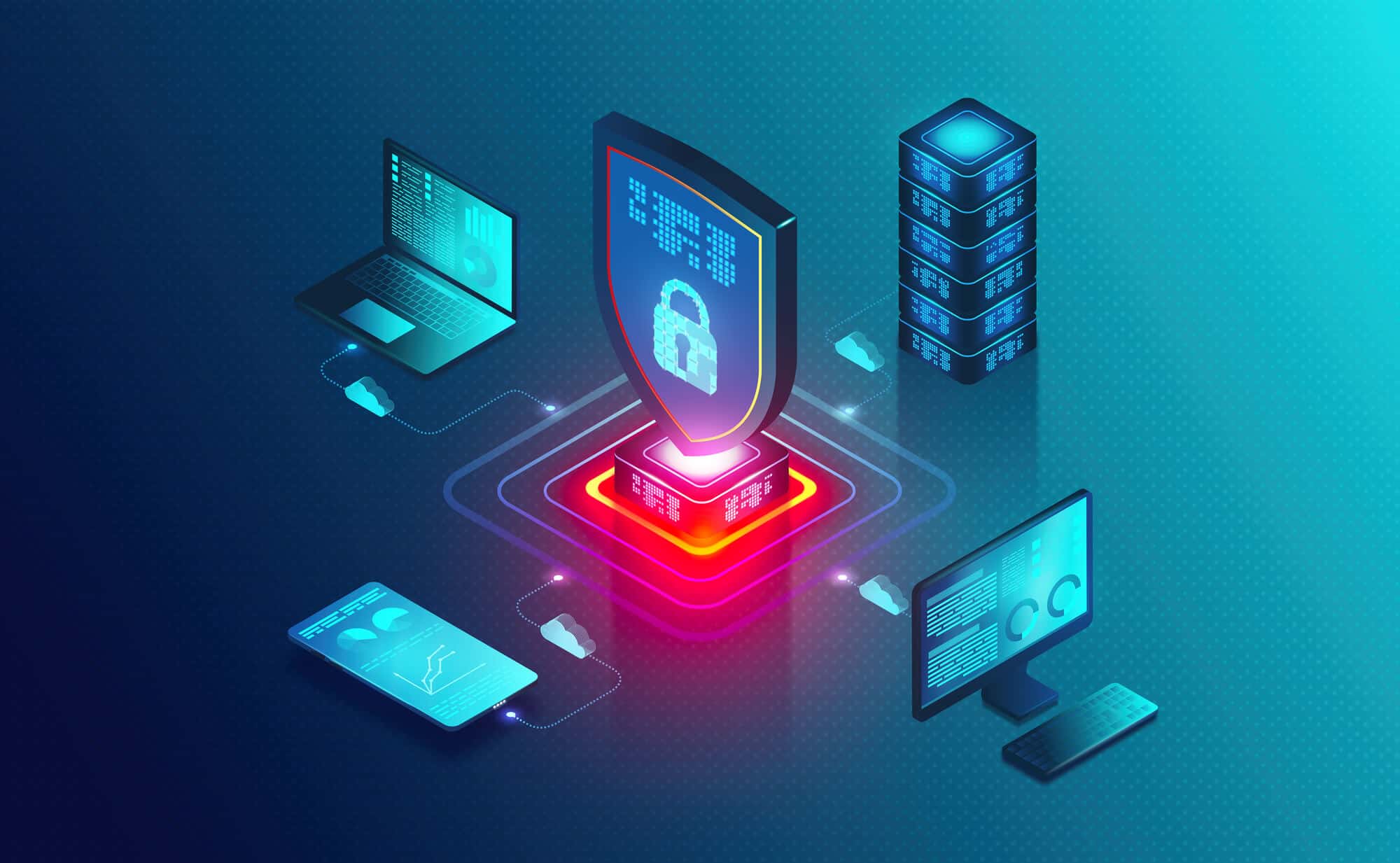
In the contemporary digital landscape, the prevalence of cyber threats continues to escalate, necessitating robust defenses and proactive strategies to safeguard sensitive information. Cybersecurity consulting firms play a pivotal role in this domain, providing valuable expertise and solutions that help organizations navigate the complexities of cybersecurity challenges. These firms are essential partners for businesses aiming to protect their digital assets from an ever-evolving array of cyber threats.Cybersecurity consulting firms offer a comprehensive suite of services designed to enhance security postures, identify vulnerabilities, and ensure compliance with regulations.
Their expertise encompasses various dimensions of cybersecurity, including risk assessment, incident response, and security architecture. By leveraging both technological solutions and strategic insights, these firms enable organizations to not only defend against current threats but also to prepare for future challenges.
Key Services Offered by Cybersecurity Consulting Firms
A typical cybersecurity consulting firm provides a diverse range of services that are crucial for maintaining the integrity and security of an organization’s IT infrastructure. The following key services are commonly offered:
- Risk Assessment: Conducting thorough evaluations of an organization’s security framework to identify vulnerabilities and potential threats.
- Incident Response: Developing and implementing strategies to effectively manage and mitigate the impact of security breaches.
- Security Audits: Performing detailed assessments to ensure compliance with industry regulations and standards.
- Security Architecture Design: Crafting tailored security infrastructures that align with the unique needs of the organization.
- Training and Awareness Programs: Educating employees about cybersecurity best practices and promoting a culture of security awareness.
The breadth of these services enables organizations to adopt a proactive stance toward their security challenges, ensuring that they not only respond to incidents but also prevent them before they occur.
Differences Between Cybersecurity Consulting Firms and Other Cybersecurity Services
Understanding the distinctions between cybersecurity consulting firms and other types of cybersecurity services is essential for organizations seeking to enhance their security posture. Cybersecurity consulting firms typically offer a strategic approach, focusing on long-term solutions and tailored advice, as opposed to purely technical implementations.
Cybersecurity consulting firms provide strategic insights and risk management strategies that go beyond simple product offerings, allowing organizations to foster a comprehensive security culture.
In contrast, other cybersecurity services may focus primarily on specific technologies, such as antivirus software or firewalls, and may lack the broader strategic framework that consulting firms provide. Additionally, while managed security service providers (MSSPs) deliver ongoing monitoring and management of security systems, consulting firms emphasize assessment and strategy formulation, empowering organizations to build their internal capabilities.Understanding these differences aids organizations in selecting the appropriate type of support based on their specific needs, whether they require ongoing management or strategic guidance to foster a robust security environment.
Types of Services Offered

Cybersecurity consulting firms provide a wide range of essential services aimed at safeguarding organizations against cyber threats. These services are designed to address various aspects of an organization’s security posture, ensuring that vulnerabilities are identified and mitigated effectively. By leveraging the expertise of cybersecurity professionals, organizations can enhance their security measures and respond appropriately to incidents that may arise.Among the primary services offered by cybersecurity consulting firms are risk assessment, incident response, and vulnerability management.
Each of these services plays a critical role in establishing a robust cybersecurity framework, tailored to the unique needs of the organization.
Risk Assessment
Risk assessment involves analyzing an organization’s current security posture to identify potential vulnerabilities and threats. This process is vital as it provides a comprehensive understanding of where an organization stands in terms of cybersecurity. The assessment typically includes the following steps:
- Asset Identification: Cataloging all information assets, including hardware, software, and data, to understand what needs protection.
- Threat Analysis: Evaluating potential threats that could exploit vulnerabilities, such as malware, insider threats, and phishing attacks.
- Vulnerability Evaluation: Assessing existing security controls to determine their effectiveness in mitigating identified threats.
- Risk Prioritization: Ranking risks based on their potential impact and likelihood, allowing organizations to focus on the most critical areas first.
Incident Response
Incident response services are designed to help organizations effectively manage and mitigate the impact of cybersecurity incidents. An efficient incident response plan can minimize damage and facilitate a swift recovery. Key components of incident response services include:
- Preparation: Developing and implementing a robust incident response plan that Artikels roles, responsibilities, and communication protocols.
- Detection: Utilizing tools and technologies to monitor systems for signs of potential incidents.
- Containment: Taking immediate action to prevent further damage once an incident has been detected.
- Eradication: Identifying and eliminating the root cause of the incident to prevent recurrence.
- Recovery: Restoring affected systems and services to normal operation while ensuring that vulnerabilities are addressed.
Vulnerability Management
Vulnerability management is an ongoing process that focuses on identifying, assessing, and remediating security weaknesses within an organization’s systems. This service includes:
- Scanning: Regularly conducting vulnerability scans to identify weaknesses in systems and applications.
- Assessment: Evaluating the severity of discovered vulnerabilities and their potential impact on the organization.
- Remediation: Providing recommendations for patching or mitigating vulnerabilities based on industry best practices.
- Reporting: Generating detailed reports that Artikel findings and remediation actions taken.
Advantages of Tailored Cybersecurity Strategies
Consulting firms offer tailored cybersecurity strategies that align with the specific needs and risk tolerances of an organization. These customized solutions can significantly enhance the effectiveness of cybersecurity measures, resulting in improved security outcomes. Some notable advantages include:
- Risk Alignment: Tailored strategies ensure that security measures are directly aligned with the organization’s unique risk profile and business objectives.
- Resource Optimization: Organizations can allocate resources more effectively by focusing on high-risk areas that need immediate attention.
- Regulatory Compliance: Customized strategies help organizations meet specific regulatory requirements and standards relevant to their industry.
Common Methodologies Used by Cybersecurity Consultants
Cybersecurity consultants implement various methodologies to ensure that their services are effective and comprehensive. Some commonly employed methodologies include:
- NIST Cybersecurity Framework: This framework provides a structured approach for organizations to manage and reduce cybersecurity risks through five key functions: Identify, Protect, Detect, Respond, and Recover.
- ISO/IEC 27001: An international standard for managing information security, ISO/IEC 27001 Artikels a systematic approach to managing sensitive information to keep it secure.
- MITRE ATT&CK: A knowledge base of adversary tactics and techniques based on real-world observations, this methodology assists organizations in understanding and addressing potential threats.
“A proactive approach to cybersecurity through tailored strategies can significantly reduce risks and enhance an organization’s resilience.”
The Process of Engaging a Consulting Firm
Selecting a cybersecurity consulting firm is a critical step for businesses aiming to fortify their digital defenses against evolving threats. The engagement process requires careful consideration and systematic steps to ensure that the firm aligns with the specific needs and challenges of the organization.The process typically begins with defining the scope of the engagement and identifying potential consulting firms that specialize in cybersecurity.
This involves thorough research to evaluate firms based on their service offerings, reputation, and industry expertise.
Steps in Selecting a Cybersecurity Consulting Firm
The selection process involves several key steps that help businesses identify the most suitable cybersecurity consulting firm:
1. Define Business Needs
Clearly Artikel the specific cybersecurity challenges and objectives. This could range from compliance requirements to risk assessments or managed security services.
2. Research Potential Firms
Compile a list of firms that specialize in the required services. Utilize online resources, industry reports, and referrals.
3. Evaluate Expertise and Services
Assess each firm’s expertise, specific service offerings, and their ability to address the identified needs. Look for certifications, specializations, and case studies.
4. Check Reputation
Review the firm’s reputation within the industry. This can involve checking their standing on independent review sites, their history of successful engagements, and industry awards.
5. Request Proposals
After narrowing down the list, request detailed proposals from the selected firms. This should include their approach, timelines, and pricing structures.
6. Conduct Interviews
Engage with potential firms through interviews or consultations to gauge their understanding of your requirements and to assess their communication style.
7. Review Client Testimonials
Analyze testimonials and case studies from previous clients. This provides insight into the firm’s effectiveness and reliability.
8. Make a Decision
Finally, choose the firm that best aligns with your business’s needs, demonstrating the expertise, reputation, and service quality required.
Typical Engagement Process
Once a firm is selected, the engagement process generally follows a structured approach, ensuring clarity and effectiveness throughout the collaboration:
Initial Consultation
This introductory meeting allows both parties to discuss the scope, objectives, and timelines. It sets the groundwork for a successful partnership.
Assessment Phase
The consulting firm conducts a thorough assessment of the current cybersecurity posture of the organization, identifying vulnerabilities and potential risks.
Strategy Development
Based on the assessment findings, the firm develops a tailored cybersecurity strategy, detailing the actions needed to mitigate identified risks.
Implementation and Support
The consulting firm assists in the implementation of the recommended strategies, which may include technology deployment, policy development, and employee training.
Monitoring and Review
After implementation, ongoing monitoring ensures that the cybersecurity measures remain effective. Regular reviews help adapt to new threats.
Final Report Delivery
The engagement concludes with a comprehensive report outlining findings, actions taken, and recommendations for future improvements.
“Engaging a cybersecurity consulting firm is not just about fixing problems; it’s about building a resilient security posture for the future.”
When selecting a cybersecurity consulting firm, it is essential to consider several key factors that will influence the success of the engagement. This includes the firm’s track record, specialized expertise in relevant areas, and the strength of their client relationships. Additionally, organizations should be mindful of cultural fit, as effective collaboration is often rooted in mutual understanding and communication.
Industry Standards and Compliance
Adhering to industry standards and regulations in cybersecurity consulting is paramount for organizations striving to protect their data and systems. Compliance not only safeguards sensitive information but also enhances a firm’s credibility and trustworthiness in a rapidly evolving digital landscape. This adherence is crucial as it informs best practices, mitigates risks, and ensures that organizations remain accountable to their stakeholders.Understanding the various compliance frameworks relevant to cybersecurity consulting firms helps organizations navigate their regulatory obligations effectively.
These frameworks provide distinct guidelines tailored to specific industries and geographic regions, enabling firms to implement appropriate security measures. Significant compliance frameworks include the General Data Protection Regulation (GDPR), Health Insurance Portability and Accountability Act (HIPAA), and Payment Card Industry Data Security Standard (PCI-DSS).
Major Compliance Frameworks Relevant to Cybersecurity Consulting Firms
The following compliance frameworks are essential for organizations in various sectors to maintain data integrity and security:
- General Data Protection Regulation (GDPR): This EU regulation focuses on data privacy and protection for individuals within the European Union and the European Economic Area. It mandates strict consent requirements, data portability, and the right to be forgotten. Non-compliance can result in hefty fines, reaching up to €20 million or 4% of global turnover, whichever is higher.
- Health Insurance Portability and Accountability Act (HIPAA): This U.S. regulation aims to protect patient health information. Organizations dealing with protected health information (PHI) must adhere to strict guidelines regarding data security and privacy, including implementing safeguards and conducting regular audits to verify compliance.
- Payment Card Industry Data Security Standard (PCI-DSS): This framework is designed to ensure that all companies that accept, process, store, or transmit credit card information maintain a secure environment. Compliance requires companies to follow a set of security standards to protect cardholder data, and breaches can lead to severe financial repercussions and reputational damage.
The implications of adhering to these compliance frameworks can vary significantly for businesses.
Comparison of Compliance Frameworks and Their Implications
Understanding the differences between compliance frameworks allows businesses to align their cybersecurity strategies with applicable regulations effectively. Below is a comparison that highlights key aspects of the major frameworks:
| Framework | Focus Area | Key Requirements | Implications for Businesses |
|---|---|---|---|
| GDPR | Data Protection | Consent, Data Portability, Right to Erasure | High fines for non-compliance; increased trust from customers |
| HIPAA | Health Information | Data Security, Privacy Rules, Breach Notification | Potential criminal charges for violations; significant reputational risk |
| PCI-DSS | Payment Security | Data Encryption, Network Security, Access Control | Financial penalties for breaches; loss of merchant privileges |
Each framework has unique requirements and implications that can impact an organization’s operations, financial status, and overall reputation. By diligently adhering to these standards, businesses not only comply with legal obligations but also position themselves as responsible stewards of data, fostering trust and security in their operations.
Emerging Trends in Cybersecurity Consulting
The cybersecurity consulting landscape is continually evolving, driven by technological advancements and shifting organizational needs. As cyber threats grow increasingly sophisticated, consulting firms are adapting by integrating innovative solutions that enhance security measures. This section explores key trends shaping the industry, including the integration of artificial intelligence (AI), the rise of cloud security measures, the impact of remote work, and potential future challenges within the digital domain.
AI Integration in Cybersecurity
Artificial intelligence is becoming a cornerstone in cybersecurity consulting, enabling firms to offer advanced solutions for threat detection and response. AI-driven tools leverage machine learning algorithms to analyze vast amounts of data, identifying anomalies that indicate potential security breaches. These tools enhance the speed and accuracy of threat identification, allowing organizations to respond proactively. According to a recent study by Cybersecurity Ventures, AI adoption in cybersecurity is projected to reach $38.2 billion by 2026, highlighting its significance in safeguarding digital assets.
Cloud Security Solutions
As organizations increasingly migrate to cloud environments, the demand for robust cloud security solutions is surging. Cybersecurity consulting firms are now emphasizing strategies designed to protect sensitive data in cloud infrastructures. Key aspects include:
- Data Encryption: Critical data stored in the cloud must be encrypted to prevent unauthorized access.
- Access Controls: Implementing strict access policies ensures that only authorized personnel can access sensitive information.
- Compliance Monitoring: Continuous monitoring for compliance with industry standards such as GDPR and HIPAA is essential for maintaining data integrity.
Cloud security not only protects organizations from external threats but also includes the management of insider risks, making it a comprehensive approach to data protection.
Impact of Remote Work on Cybersecurity Practices
The shift to remote work has fundamentally altered cybersecurity consulting practices. With employees accessing corporate networks from diverse locations and devices, consulting firms are adapting by providing tailored solutions that address these new vulnerabilities. Essential strategies include:
- Endpoint Security: Ensuring that all devices connecting to the corporate network are secure and compliant.
- Virtual Private Networks (VPNs): Implementing VPNs to encrypt internet connections and protect data transmitted over public networks.
- Security Awareness Training: Regular training programs to educate employees on the risks and best practices for maintaining cybersecurity while working remotely.
Addressing these challenges is crucial as remote work remains a persistent trend in the workforce.
Future Challenges for Cybersecurity Consulting Firms
As the digital landscape evolves, cybersecurity consulting firms will face several challenges that could impact their operations and effectiveness. Potential issues include:
- Increased Sophistication of Cyber Threats: Cybercriminals are continuously developing advanced techniques that can circumvent traditional security measures.
- Regulatory Changes: Adapting to a rapidly changing regulatory environment requires firms to stay informed and agile.
- Talent Shortages: The cybersecurity sector is experiencing a significant skills gap, making it challenging for firms to recruit and retain qualified professionals.
These factors underscore the necessity for cybersecurity consulting firms to innovate and continuously improve their practices to effectively navigate the complexities of the digital age.
Case Studies and Success Stories
The exploration of case studies and success stories in cybersecurity consulting highlights the tangible benefits that businesses have garnered through expert guidance. By leveraging the insights drawn from these real-world examples, organizations can better understand the methodologies that contribute to enhancing their cybersecurity posture and the lessons that can be applied to their own contexts.One notable case involves a mid-sized financial services firm that faced increasing threats from cybercriminals.
The organization engaged a cybersecurity consulting firm specializing in risk assessments and vulnerability management. The consultants conducted a thorough evaluation of the firm’s existing cybersecurity infrastructure, identifying critical weaknesses and recommending a comprehensive improvement plan.
Methodologies Employed in Successful Engagements
The methodologies employed in the aforementioned case revolved around several key strategies that proved effective in strengthening the firm’s cybersecurity framework. These strategies included:
- Risk Assessment: The consultants performed an extensive risk assessment, utilizing tools and frameworks like NIST and FAIR to quantify potential impacts associated with vulnerabilities.
- Implementation of Security Controls: Recommendations included implementing multi-factor authentication, advanced endpoint protection, and improved network segmentation to mitigate risks.
- Security Awareness Training: The firm introduced regular training sessions focused on best practices for employees, effectively reducing the likelihood of human error, a significant factor in cybersecurity breaches.
- Continuous Monitoring: The establishment of a dedicated security operations center (SOC) allowed for real-time monitoring and incident response, significantly enhancing the firm’s ability to detect and address threats promptly.
The results achieved from these methodologies were remarkable. Within a year of implementing the consulting firm’s recommendations, the financial services company reported a 75% reduction in security incidents and a noticeable improvement in compliance with industry regulations. Furthermore, the firm experienced increased client trust and satisfaction due to its enhanced security measures.
Lessons Learned from Case Studies
The analysis of this case and others provides valuable insights into effective cybersecurity practices that can be universally applied across various industries. Key lessons learned include:
- Prioritize Risk Management: Regular risk assessments are essential in identifying vulnerabilities and understanding the potential impact of threats.
- Invest in Employee Training: Human factors are often the weakest link in cybersecurity; therefore, continuous education is crucial to minimize risks.
- Adopt a Holistic Approach: Effective cybersecurity requires collaboration across various departments, including IT, HR, and legal, to build a robust strategy.
- Embrace Technology Solutions: The integration of advanced technologies, such as AI and machine learning, can provide significant advantages in threat detection and response.
By applying these lessons, businesses can enhance their cybersecurity maturity and resilience against evolving threats in the digital landscape.
Choosing the Right Consulting Firm for Your Needs

Selecting the right cybersecurity consulting firm is crucial for organizations aiming to enhance their security posture and mitigate cyber risks. The decision involves careful consideration of various factors to ensure alignment with the organization’s specific needs and culture. An effective consulting partner should not only possess technical expertise but also resonate with the organization’s values and operational style.
Checklist for Assessing Potential Cybersecurity Consulting Firms
When evaluating potential cybersecurity consulting firms, businesses should consider the following key criteria to ensure a thorough assessment:
- Experience and Expertise: Evaluate the firm’s track record, industry experience, and specific expertise in areas relevant to your organization.
- Certifications and Accreditation: Check for recognized industry certifications (e.g., ISO 27001, CISSP) that validate the firm’s competencies and adherence to best practices.
- Service Offerings: Ensure the firm provides a comprehensive range of services that align with your cybersecurity needs, such as risk assessments, incident response, and compliance support.
- Client References and Case Studies: Request references and examine case studies to assess the firm’s past performance and client satisfaction.
- Cultural Fit: Evaluate how well the firm’s values align with your organization’s culture and work ethic, as a strong cultural fit can enhance collaboration.
- Communication and Reporting: Assess the firm’s communication style and the clarity of their reporting processes to ensure you will receive timely updates and insights.
- Cost Structure: Understand the firm’s pricing model, including any hidden fees, to ensure it aligns with your budget and expectations for value.
Importance of Cultural Fit in Cybersecurity Consulting
Cultural fit between a consulting firm and its clients plays a significant role in the success of cybersecurity initiatives. A strong cultural alignment enables smoother communication, fosters mutual understanding, and enhances collaboration. When both parties share similar values and objectives, they are more likely to work effectively towards common goals. Companies should assess the consulting firm’s approach to teamwork, problem-solving, and adaptability, ensuring that these aspects resonate with their organizational culture.
“A harmonious cultural fit can transform the client-consultant relationship, making it more productive and enjoyable.”
Evaluating Cost Structures for Value
Understanding the cost structures of different consulting firms is essential for making an informed decision. Various firms adopt different pricing models, such as hourly rates, project-based fees, or retainer agreements. When evaluating value for money, organizations should consider not only the price but also the quality of services provided and the potential return on investment in terms of risk mitigation.To determine value, businesses should:
- Compare Pricing Models: Analyze how different models impact your overall budget and financial planning.
- Assess Deliverables: Ensure that the firm’s proposed deliverables align with your expectations and needs, providing tangible benefits.
- Evaluate Long-term Benefits: Consider how the consulting firm’s services can contribute to long-term security improvements and cost savings.
- Review Client Testimonials: Look for feedback from previous clients regarding the effectiveness and value of the services received.
In summary, selecting the right cybersecurity consulting firm involves a comprehensive evaluation of their expertise, cultural fit, and cost structure to ensure that they can effectively support your organization’s cybersecurity objectives.
Popular Questions: Cybersecurity Consulting Firm
What is the primary role of a cybersecurity consulting firm?
The primary role is to help organizations identify vulnerabilities and develop strategies to protect their digital assets from cyber threats.
How do I choose the right cybersecurity consulting firm?
Consider factors like expertise, reputation, client testimonials, and the firm’s understanding of your specific industry needs.
What types of businesses can benefit from cybersecurity consulting?
All types of businesses, regardless of size or sector, can benefit from cybersecurity consulting, especially those handling sensitive data.
Are cybersecurity consulting services cost-effective?
Investing in cybersecurity consulting can be cost-effective as it helps prevent costly data breaches and ensures compliance with regulations.
What are the latest trends in cybersecurity consulting?
Emerging trends include the integration of artificial intelligence, a focus on cloud security, and adapting strategies for remote work environments.
