Blockchain as a service platform is revolutionizing the tech landscape by providing businesses with scalable and secure solutions that simplify the integration of blockchain technology. As companies increasingly seek to enhance their operational efficiency and competitive edge, BaaS emerges as a pivotal service, allowing organizations to leverage the advantages of blockchain without the complexities of building their own infrastructure. This introduction to BaaS illustrates not only its operational framework but also its significant role in the evolution of digital transactions and data management.
The growing interest in blockchain technology has paved the way for BaaS, which serves as a comprehensive framework that supports various applications across industries. By offering essential services such as smart contracts, transaction management, and data encryption, BaaS platforms enable businesses to adopt blockchain efficiently, focusing on their core activities while tapping into the innovative capabilities of this transformative technology.
Introduction to Blockchain as a Service (BaaS)
Blockchain as a Service (BaaS) represents a pivotal advancement in cloud computing and blockchain technology, allowing businesses to leverage blockchain solutions without the complexity of building and maintaining their own infrastructure. This service model simplifies access to blockchain technology, making it more attainable for companies across various sectors to integrate this transformative technology into their operations.BaaS operates on a cloud-based platform, providing businesses with the necessary tools and services to develop, host, and manage their blockchain applications.
Typically, a BaaS provider offers a comprehensive package that includes infrastructure management, development tools, and support for smart contracts. This enables organizations to focus on innovation rather than the technical challenges associated with blockchain implementation. The fundamental components of BaaS include cloud storage, security, and scalability, ensuring that businesses can efficiently manage their blockchain networks while maintaining high standards of data integrity and security.
Evolution of Blockchain Technology Leading to BaaS
The evolution of blockchain technology has been marked by significant milestones that paved the way for the development of BaaS. Initially, blockchain’s inception can be traced back to Bitcoin, introduced in 2009, which revolutionized the idea of decentralized currency. As the technology matured, other applications emerged, highlighting its potential beyond cryptocurrencies. The introduction of smart contracts through platforms like Ethereum expanded the scope of blockchain, enabling complex transactions without intermediaries.As industries began to recognize the advantages of blockchain — including transparency, traceability, and security — there arose a demand for easier access to this technology.
This demand led to the emergence of BaaS, facilitating blockchain adoption across diverse industries such as finance, supply chain, healthcare, and beyond. Organizations can now implement blockchain solutions tailored to their needs without investing heavily in specialized infrastructure or expertise.The following elements illustrate the key milestones that contributed to the rise of BaaS:
- 2009: Bitcoin’s Launch
-The introduction of Bitcoin marked the birth of blockchain technology, establishing the foundation for decentralized digital currencies. - 2015: Ethereum and Smart Contracts
-Ethereum’s launch brought smart contracts into the spotlight, expanding blockchain’s applicability beyond financial transactions. - 2016: Rise of Private Blockchains
-Enterprises began exploring private blockchains for secure, internal operations, leading to the need for managed services like BaaS. - 2018: Increased Demand for BaaS
-As more businesses sought to implement blockchain, BaaS emerged as a viable solution, streamlining the adoption process. - 2020: Maturity of BaaS Solutions
-Major cloud providers began offering BaaS, making blockchain technology accessible to a broader audience and enhancing its usability.
“Blockchain as a Service enables organizations to harness the power of blockchain technology without the burdens of setup and maintenance.”
This evolution illustrates how blockchain technology has transformed from a niche application into a mainstream solution, leading to the emergence of BaaS as a crucial enabler for businesses looking to innovate and stay competitive in the digital age.
Key Features of BaaS Platforms
Blockchain as a Service (BaaS) platforms are transforming the way businesses deploy and manage blockchain technology. The primary features of successful BaaS platforms not only facilitate ease of use and integration but also enhance operational efficiency. Understanding these features is crucial for organizations looking to leverage blockchain technology effectively.One of the most significant attributes of BaaS solutions is their ability to provide scalability and security.
As businesses grow and their needs evolve, BaaS platforms must adapt to increasing demands while maintaining robust security protocols to protect sensitive data. The following sections delve deeper into the key features that characterize effective BaaS platforms.
Primary Features of BaaS Solutions
BaaS platforms offer a variety of features that cater to the diverse needs of businesses. The following list details these features:
- Infrastructure Management: BaaS platforms provide cloud-based infrastructure, eliminating the need for businesses to manage physical servers. This simplifies deployment and reduces operational costs.
- Smart Contract Development: Many BaaS platforms support the creation and execution of smart contracts, enabling automated and secure transactions without intermediaries.
- API Integration: The ability to integrate with existing business systems through APIs allows seamless connectivity and enhances workflow efficiency.
- User-Friendly Dashboards: Intuitive interfaces and dashboards facilitate monitoring and management of blockchain networks, making it accessible to users with varying technical expertise.
- Multi-Chain Support: Support for multiple blockchain protocols allows businesses to experiment with different technologies and select the most suitable one for their needs.
Scalability and Security Aspects of BaaS Solutions
Scalability and security are paramount when evaluating BaaS platforms. Businesses require solutions that can handle increased transaction volumes and user loads without compromising performance.
- Dynamic Scaling: BaaS platforms typically offer auto-scaling features, which automatically adjust resources based on current demand, ensuring optimal performance.
- Robust Security Measures: Advanced security protocols, including end-to-end encryption and decentralized storage, are fundamental in safeguarding against data breaches and unauthorized access.
- Compliance with Regulations: Many BaaS providers ensure adherence to industry-specific compliance standards, contributing to the overall security and trustworthiness of the platform.
- Continuous Monitoring: Real-time monitoring and analytics allow businesses to identify and respond to potential threats proactively, further enhancing security.
Comparison of Various BaaS Platforms
The following table provides an overview of several leading BaaS platforms, highlighting their key features:
| Platform | Infrastructure Management | Smart Contract Support | API Integration | Scalability | Security Features |
|---|---|---|---|---|---|
| AWS Managed Blockchain | Cloud-based | Yes | Extensive APIs | Dynamic Scaling | Encryption & Monitoring |
| Microsoft Azure Blockchain | Cloud-based | Yes | Multiple APIs | Auto-scaling | Compliance Standards |
| IBM Blockchain Platform | Cloud & On-Premises | Yes | Extensive APIs | Elastic Scaling | Strong Security Protocols |
| Oracle Blockchain Platform | Cloud-based | Yes | Multiple APIs | Dynamic Scaling | End-to-End Encryption |
This comparison highlights the diversity among various BaaS platforms and illustrates their respective strengths in delivering necessary features for effective blockchain deployment. The selection of the right BaaS platform should align with specific business requirements and scalability needs.
Benefits of Using BaaS

Adopting Blockchain as a Service (BaaS) presents numerous advantages for businesses across various sectors. BaaS solutions provide organizations with a reliable framework to leverage blockchain technology, facilitating efficient operations while reducing the complexities inherent in traditional blockchain implementations. By outsourcing the underlying infrastructure, companies can focus on their core business functions and innovation.The key benefits derived from implementing BaaS solutions include enhanced operational efficiency, cost savings, and access to advanced blockchain capabilities without the need for extensive internal expertise.
Additionally, many organizations have witnessed transformative results following the adoption of BaaS, showcasing its potential across different industries.
Successful Case Studies of BaaS Implementation
Several organizations have successfully integrated BaaS into their operations, leading to significant improvements in productivity and innovation. For instance, in the supply chain management sector, a major retail company utilized a BaaS platform to track product provenance, ensuring transparency and authenticity throughout its logistics network. This implementation not only increased consumer trust but also streamlined the supply chain process, ultimately resulting in reduced costs.In the financial services industry, a prominent bank adopted a BaaS solution to enhance its cross-border payment system.
By leveraging blockchain technology, the bank was able to reduce transaction times from days to mere seconds, providing customers with a more efficient and reliable service.
Top Benefits of BaaS for Startups versus Established Companies
Understanding the specific advantages that BaaS offers to different types of businesses is crucial for tailoring approaches to blockchain adoption. The following points summarize the top benefits that startups and established companies can derive from BaaS solutions.Startups:
- Cost Efficiency: Startups often operate with limited budgets. BaaS significantly reduces initial capital expenditures related to infrastructure and maintenance.
- Faster Time to Market: Utilizing BaaS allows startups to develop and deploy their blockchain applications more rapidly, thus gaining a competitive edge.
- Access to Expertise: Startups can leverage the technological expertise of BaaS providers without the need to hire specialized personnel.
Established Companies:
- Scalability: BaaS platforms enable established companies to scale their blockchain solutions efficiently as their needs evolve.
- Integration Capabilities: BaaS facilitates easier integration with existing legacy systems, allowing companies to modernize their operations without overhauling their infrastructure.
- Regulatory Compliance: Established businesses often face complex regulatory challenges; BaaS providers can assist in maintaining compliance across various jurisdictions.
Challenges and Limitations of BaaS: Blockchain As A Service Platform

The implementation of Blockchain as a Service (BaaS) presents several challenges and limitations that organizations must navigate to successfully adopt this innovative technology. While BaaS offers numerous benefits, potential hurdles can impact its effectiveness and integration into existing infrastructures. Understanding these challenges is crucial for organizations considering BaaS solutions.Among the challenges organizations face when implementing BaaS solutions are issues related to data security, scalability, and vendor lock-in.
These factors can significantly affect the deployment and overall performance of BaaS initiatives. Organizations must address these concerns to maximize their BaaS experience.
Data Security Concerns
Data security remains a prevalent challenge for organizations utilizing BaaS. While blockchain technology is inherently secure, the shared nature of BaaS platforms can expose sensitive data to potential breaches. Organizations must ensure that appropriate encryption and access controls are in place to protect their information, as breaches can lead to severe reputational damage and financial loss.
Integration Difficulties
Integrating BaaS solutions with legacy systems is often a complex task. Many businesses rely on existing software and frameworks that may not be compatible with blockchain technologies. This can result in high integration costs and extended timelines for implementation. Organizations frequently find themselves needing to invest in additional resources or expertise to bridge these gaps, which can strain budgets and delay project timelines.
Vendor Lock-In Issues
Organizations may encounter vendor lock-in when using BaaS solutions. Many BaaS providers offer proprietary technology that can create dependencies, making it difficult for businesses to switch providers or migrate their data to other platforms. This restriction can hinder innovation and limit an organization’s ability to adapt to changing market conditions and technologies.
Example of Integration Difficulties
A notable example of a company facing challenges with BaaS integration is a financial institution that attempted to adopt a BaaS platform for streamlining transaction processes. The institution initially expected a smooth integration due to the platform’s advertised compatibility with existing systems. However, during the deployment phase, they encountered significant issues related to data synchronization and transaction processing speeds. The legacy systems were not able to handle the frequency and volume of transactions efficiently, leading to increased downtime and frustration among users.
As a result, the organization had to allocate additional resources to develop custom middleware solutions, ultimately delaying their project timeline by several months and increasing overall costs significantly.
Use Cases for Blockchain as a Service
Blockchain as a Service (BaaS) has emerged as a transformative technology across various industries, offering scalable solutions that enhance operational efficiency, transparency, and security. By leveraging distributed ledger technology, organizations can streamline processes, reduce costs, and foster trust in their operations. This section highlights several real-world use cases of BaaS, demonstrating its versatility and impact across different sectors.
Finance
In the financial sector, BaaS facilitates transactions, enhances security, and enables compliance with regulatory requirements. Financial institutions utilize BaaS to streamline processes such as payments, settlements, and audits. Notable applications include digital identity verification, cross-border transactions, and the issuance of smart contracts.
Healthcare
The healthcare industry can greatly benefit from BaaS by ensuring the secure sharing of patient information while maintaining privacy. BaaS enables the tracking of medical records, the management of drug supply chains, and the validation of clinical trials. With immutable records, healthcare providers can enhance patient care through better data management.
Supply Chain
BaaS streamlines supply chain operations by providing real-time visibility into product movement and authenticity. Organizations can track products from origin to destination, ensuring provenance and reducing fraud. BaaS solutions improve coordination among parties, resulting in enhanced efficiency and reduced operational costs.
Government and Public Services
Governments can utilize BaaS for secure voting systems, identity management, and public records maintenance. By utilizing blockchain, public services can enhance transparency, reduce bureaucratic inefficiencies, and ensure data integrity across departments.
Real Estate
In real estate, BaaS can facilitate the buying, selling, and leasing of properties through smart contracts. This technology allows for automated and secure transactions, thereby reducing the reliance on intermediaries and expediting the transfer process.
Comparative Analysis of Use Cases
The following table illustrates key use cases of BaaS across various sectors, highlighting the unique benefits and implementations in each area.
| Sector | Use Case | Benefits |
|---|---|---|
| Finance | Digital payments and settlements | Reduced transaction times, lower costs |
| Healthcare | Patient data management | Improved data security and interoperability |
| Supply Chain | Product traceability | Enhanced transparency and fraud reduction |
| Government | Secure voting systems | Increased transparency and public trust |
| Real Estate | Smart contracts for property transactions | Faster and more secure transactions |
BaaS enhances operational efficiency by automating processes, ensuring data integrity, and reducing the potential for human error. Through real-time access to data and streamlined workflow, organizations can achieve significant cost savings and improve service delivery across various applications.
Future Trends in BaaS
The Blockchain as a Service (BaaS) market is on the cusp of significant transformation, emerging as a powerful enabler for businesses across various sectors. With advancements in technology and the increasing adoption of blockchain solutions, BaaS platforms are poised to evolve further, effectively addressing the needs of contemporary enterprises. This section explores anticipated trends that will likely shape the landscape of BaaS in the coming years.The role of innovation and technological advancements cannot be overstated in the evolution of BaaS.
The integration of artificial intelligence (AI), the Internet of Things (IoT), and enhanced security protocols will contribute to the growth and sophistication of BaaS solutions. These advancements not only improve efficiency but also open up new avenues for application, driving the adoption of BaaS among businesses seeking to leverage blockchain technology without the need for extensive infrastructure investments.
Anticipated Changes Influencing BaaS Platforms
The following points highlight key anticipated changes that are expected to influence the BaaS landscape over the next decade:
- Increased Interoperability: Future BaaS platforms are expected to prioritize interoperability, allowing different blockchain networks to communicate and transact seamlessly. This will enhance collaboration among enterprises and streamline multi-chain operations.
- Enhanced Security Measures: With rising concerns over data breaches and cyber threats, BaaS providers will likely implement advanced security features, including improved encryption methods and decentralized identity solutions, to protect sensitive information.
- Regulatory Compliance Automation: As regulations surrounding blockchain technology evolve, BaaS platforms will likely incorporate tools that automate compliance processes, ensuring that businesses can easily navigate complex legal landscapes.
- AI and Machine Learning Integration: The incorporation of AI and machine learning into BaaS will optimize decision-making processes, enabling predictive analytics and smart contract automation, which can significantly reduce operational costs and enhance functionality.
- Focus on Sustainability: Future BaaS solutions may increasingly emphasize sustainability by facilitating eco-friendly practices, such as carbon offset tracking and sustainable supply chain management, thereby addressing environmental concerns in business operations.
- Expansion of Use Cases: As BaaS technology matures, its applicability is expected to broaden, leading to innovative use cases across industries, including finance, healthcare, supply chain, and more, thereby enhancing the overall value proposition for businesses.
- Catalyzed Adoption by SMEs: With the cost and complexity of blockchain solutions decreasing, small and medium enterprises (SMEs) are anticipated to become significant users of BaaS, leveraging its capabilities to improve efficiency and competitiveness.
Selecting the Right BaaS Provider
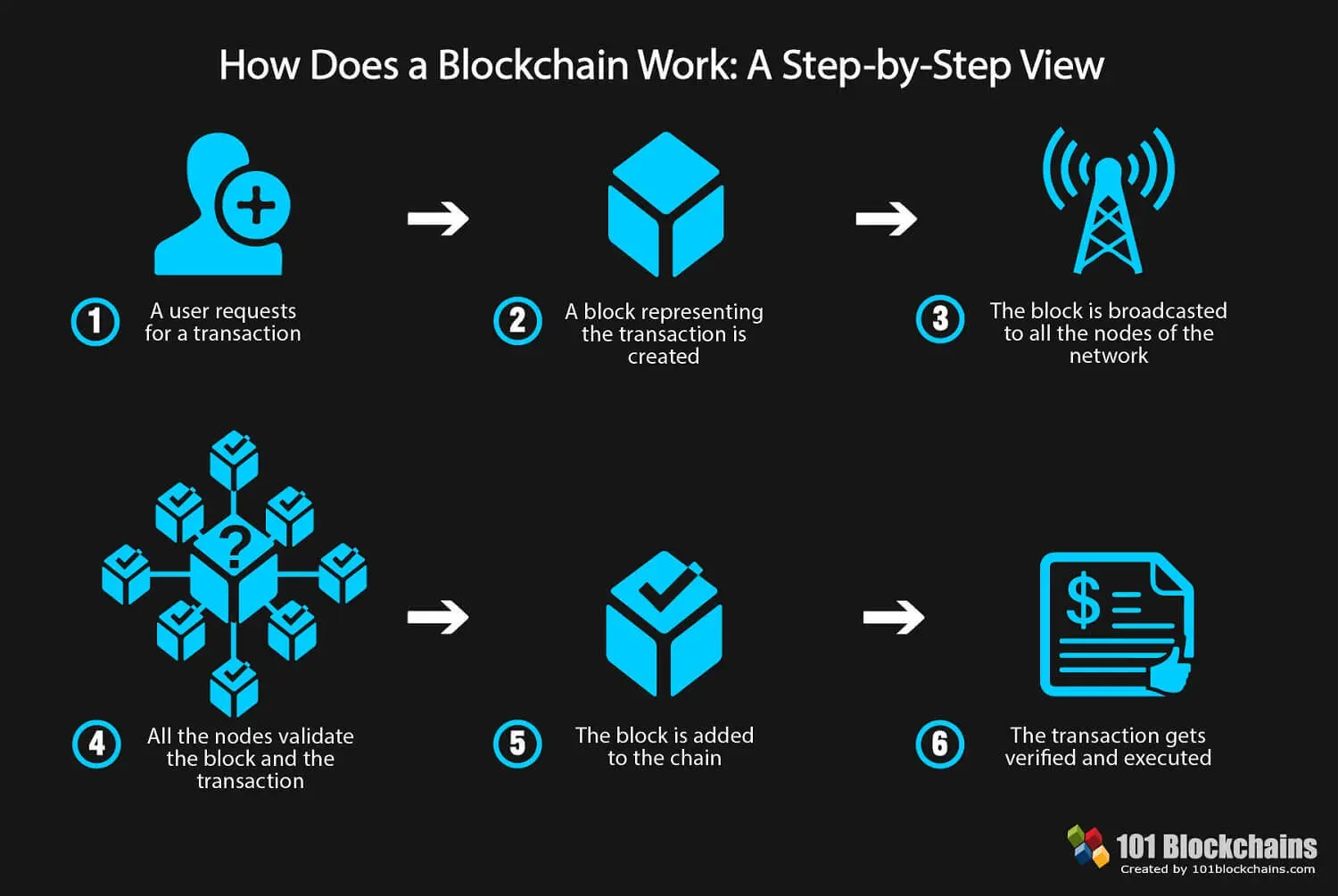
Choosing the right Blockchain as a Service (BaaS) provider is a critical decision for businesses looking to leverage blockchain technology efficiently. With numerous options available in the market, it is essential to consider various factors that can impact the effectiveness, scalability, and cost of your blockchain solutions. A well-thought-out selection process can lead to successful implementation and a significant return on investment.When evaluating potential BaaS providers, businesses should prioritize features such as scalability, security, and compliance, alongside understanding the provider’s customer support and pricing models.
Each provider has its strengths and weaknesses, and a careful comparison can help organizations align their needs with the right service.
Factors for Comparison of Leading BaaS Providers
To assist in the selection process, businesses should consider the following factors when comparing leading BaaS providers:
Pricing Structure
Evaluate the pricing models offered by various providers, including pay-as-you-go, subscription-based, and tiered pricing. Understanding potential hidden costs or additional charges for scaling can influence the total cost of ownership.
Feature Set
Assess the features offered by each provider, such as smart contract capabilities, integration with existing systems, and support for multiple blockchain networks. A robust feature set can enhance the functionality and adaptability of your applications.
Customer Support
Examine the level of customer support available, including response times, technical assistance, and training resources. A provider with strong customer support can significantly ease the integration process and provide ongoing help.
Security Measures
Review the security protocols and measures in place to protect data and transactions. Consider aspects such as encryption, compliance with industry standards, and the provider’s track record regarding security breaches.
Scalability Options
Investigate how easily the service can scale with your business needs. A good BaaS provider should offer flexible solutions that can adapt to changing demand and growth.
Checklist of Key Questions for BaaS Vendors
As organizations engage potential BaaS vendors, they should pose specific questions to ensure a comprehensive understanding of the services offered. The following checklist can guide discussions:
- Describe the pricing model and explain any additional costs that may arise during the implementation phase.
- What features differentiate your BaaS solution from competitors in the market?
- Can you provide references or case studies from clients in our industry who have successfully used your platform?
- What kind of customer support do you offer, and what are the expected response times for technical issues?
- How do you ensure the security of our data and transactions on your platform?
- What scalability options are available should our blockchain needs grow in the future?
- How do you handle updates and maintenance of the platform, and what is the process for rolling out new features?
By systematically addressing these considerations and inquiries, businesses can better navigate the landscape of BaaS providers and select a partner that aligns with their strategic objectives and operational requirements.
Implementation Strategies for BaaS
Implementing Blockchain as a Service (BaaS) within an organization is a strategic process that requires careful planning and execution. A well-structured approach can enhance the chances of a successful deployment and ensure that the organization reaps the benefits of blockchain technology. The implementation of BaaS involves several phases, from assessing organizational readiness to integrating and managing the chosen solution effectively.
Below is a structured framework that organizations can follow to assess their readiness for BaaS adoption.
Step-by-Step Procedure for Implementing BaaS
The following steps Artikel a comprehensive procedure for organizations looking to implement BaaS:
1. Evaluate Business Needs
Begin by identifying specific business problems that blockchain can address. This evaluation should include stakeholder input to ensure alignment with organizational objectives.
2. Assess Readiness for BaaS Adoption
Organizations must evaluate their existing infrastructure, including technological capabilities, workforce skill levels, and regulatory compliance. This assessment will help in determining the feasibility of adopting a BaaS solution.
3. Select BaaS Provider
Research and compare different BaaS providers based on their offerings, reliability, scalability, and support services. It is crucial to choose a provider that aligns with the organization’s technical and business requirements.
4. Develop an Implementation Plan
Create a detailed plan that Artikels the goals, timeline, resources required, and key performance indicators (KPIs) for measuring success. This plan should also include risk management strategies.
5. Pilot Testing
Start with a pilot project that allows for testing and evaluating the BaaS solution. This step helps in identifying potential issues and adjusting the implementation strategy accordingly.
6. Full-Scale Deployment
After successful pilot testing, proceed with a full-scale implementation. Ensure that all systems are integrated, and the workforce is trained to use the new technology effectively.
7. Monitor and Optimize
Post-implementation, continuously monitor the performance of the BaaS solution against the established KPIs. Regular evaluations will help in optimizing processes and addressing any emerging challenges.
Framework for Assessing Readiness for BaaS Adoption
To facilitate a thorough assessment of organizational readiness for BaaS, organizations can utilize the following framework:
Technological Infrastructure
Evaluate existing hardware and software capabilities, ensuring compatibility with proposed BaaS solutions.
Skill Set Availability
Assess the current workforce’s proficiency in blockchain technology and identify gaps that may require additional training or hiring.
Regulatory Compliance
Understand the legal requirements surrounding blockchain usage in the relevant industry and ensure that the organization can comply with these regulations.
Financial Resources
Review budgetary allocations for BaaS projects, considering expected costs and potential ROI.
Cultural Readiness
Analyze the organization’s culture to gauge openness to innovation and change, which is essential for successful technology adoption.
Best Practices for Ensuring Successful Integration of BaaS Solutions, Blockchain as a service platform
Integrating BaaS solutions into an organization requires adherence to best practices that foster successful outcomes. These practices include:
Stakeholder Engagement
Actively involve key stakeholders throughout the implementation process to ensure buy-in and support.
Clear Communication
Maintain transparency regarding the objectives, processes, and impacts of the BaaS implementation to mitigate resistance and foster cooperation.
Robust Training Programs
Invest in training that equips employees with the necessary skills to use the BaaS solution effectively.
Agile Methodology
Employ agile practices during implementation to allow for flexibility and responsiveness to feedback and changing requirements.
Feedback Mechanisms
Establish channels through which users can provide feedback on the BaaS solution, allowing for continuous improvement and adaptation.
“Embracing change through structured implementation strategies leads to successful technology adoption and increased efficiency.”
FAQ Section
What is the primary function of BaaS?
Blockchain as a service (BaaS) provides businesses with access to blockchain technology without the need to develop and maintain their own infrastructure, facilitating easier adoption and integration.
Who can benefit from using BaaS?
Businesses of all sizes, from startups to established companies, can benefit from BaaS by improving operational efficiency, reducing costs, and enhancing security in their transactions.
How does BaaS ensure data security?
BaaS platforms employ advanced encryption techniques and security protocols to protect sensitive data and ensure the integrity of transactions conducted on their networks.
What are some common use cases for BaaS?
Common use cases for BaaS include supply chain management, healthcare record management, financial services, and identity verification, where transparency and traceability are crucial.
How do I choose the right BaaS provider?
When selecting a BaaS provider, consider factors such as pricing, available features, customer support, and the provider’s reputation in the industry.
