SaaS subscription pricing comparison enterprise sets the stage for this enthralling narrative, offering readers a glimpse into a story that is rich in detail. As enterprises increasingly turn to Software as a Service (SaaS) solutions, understanding the various pricing models becomes crucial. This discussion delves into the intricacies of tiered pricing, usage-based pricing, and flat-rate pricing, highlighting how these approaches cater to diverse organizational needs while ensuring budget adherence.
With the myriad of factors influencing SaaS pricing, such as feature sets, scalability, and market competition, organizations must navigate carefully to select the most suitable options. This comprehensive exploration not only analyzes popular SaaS solutions and their strengths and weaknesses but also sheds light on emerging pricing trends that promise to shape the future of enterprise software.
Understanding SaaS Subscription Pricing Models
SaaS (Software as a Service) subscription pricing models play a crucial role in determining how software providers charge their customers. These models not only affect the revenue of the service provider but also significantly influence the purchasing decisions of enterprises. Understanding the different pricing structures allows organizations to choose a solution that best fits their operational needs and budget constraints.The three primary SaaS subscription pricing models include tiered pricing, usage-based pricing, and flat-rate pricing.
Each model has its unique advantages, catering to various enterprise requirements and financial considerations. By evaluating these models, businesses can align their software expenditures with actual usage and benefit from enhanced flexibility.
Tiered Pricing Model
Tiered pricing offers multiple packages at different price points, allowing customers to select a plan that meets their specific needs. This model is effective because it provides options for various budgets and usage levels. The tiers often include varying levels of features, user counts, and support services. For instance, a company like HubSpot employs a tiered pricing strategy, offering different plans for its marketing, sales, and customer service software.
Each tier provides a distinct set of features suitable for different business sizes and types, from startups to large enterprises. This model encourages customers to upgrade as their needs grow, ensuring scalability.
Usage-Based Pricing Model
Usage-based pricing, also known as pay-as-you-go, charges customers based on their actual usage of the service. This model is particularly beneficial for enterprises with variable workloads, as they only pay for what they consume. A notable example is AWS (Amazon Web Services), which allows businesses to pay for computing resources based on their usage metrics, such as processing power and storage.
This flexibility can lead to significant cost savings for companies that experience fluctuating demand, as they can avoid paying for unused resources.
Flat-Rate Pricing Model
Flat-rate pricing involves a single subscription fee for access to the software, with no additional charges based on usage. This model simplifies budgeting for enterprises, as they can predict their expenses easily. It is particularly appealing for organizations with a consistent level of usage.An example of this model can be seen with services like Dropbox, where customers pay a fixed monthly or annual fee for a set amount of storage.
Flat-rate pricing is ideal for businesses that prefer straightforward pricing without unexpected costs, allowing them to manage their finances with greater predictability.
“Understanding the strengths of each SaaS pricing model enables enterprises to make informed decisions, optimizing their software investments while aligning with their operational needs.”
Factors Influencing SaaS Pricing for Enterprises

In the competitive landscape of Software as a Service (SaaS), various factors play a critical role in determining the pricing of enterprise solutions. Understanding these factors is essential for businesses aiming to maximize their investment in SaaS while ensuring they receive value that aligns with their operational needs.A multitude of elements influences how SaaS providers establish their pricing structures. Companies must consider their feature set, scalability options, and level of support when determining costs.
Additionally, the target market and competitive landscape significantly affect pricing strategies, as do compliance and security features which are crucial for enterprises handling sensitive data.
Feature Set and Scalability, SaaS subscription pricing comparison enterprise
The breadth and depth of features offered in a SaaS solution are primary determinants of its price. Solutions that provide comprehensive functionalities, such as advanced analytics, integrations with existing systems, and customizable workflows, typically have higher pricing tiers. Furthermore, scalability is essential for enterprises with fluctuating demands. Pricing structures often accommodate varying levels of user access, data storage, and transaction volumes:
- Comprehensive Feature Sets: Systems offering a wide range of tools and features can justify higher costs, as they fulfill diverse business needs.
- Scalability: Pricing may vary based on the ability to scale resources up or down according to usage, which is crucial for handling growth or seasonal changes.
Market Position and Competitive Dynamics
The target market of a SaaS provider heavily influences its pricing strategy. Providers must analyze their competitors’ offerings and pricing to position themselves effectively. Factors that shape competitive pricing include:
- Target Audience: Pricing may differ based on whether the target market consists of small businesses or large enterprises, with the latter often requiring more advanced solutions.
- Competitive Landscape: Providers must remain aware of competitors’ pricing strategies to ensure their offerings are both attractive and viable in the market.
Compliance and Security Features
In the enterprise sector, compliance with industry regulations and robust security measures are non-negotiable. The inclusion of these features can significantly affect pricing. Enterprises are often willing to pay a premium for solutions that ensure data protection and regulatory compliance:
- Compliance Standards: Solutions that meet specific compliance regulations (e.g., GDPR, HIPAA) often incorporate additional costs to maintain these standards.
- Security Protocols: Enhanced security features, such as encryption and multi-factor authentication, are critical for enterprises and are reflected in the pricing structure.
“The true cost of a SaaS solution is not just in the subscription fee but also in the value provided through features, compliance, and the overall security posture.”
Comparison of Popular SaaS Solutions
The increasing reliance on software as a service (SaaS) solutions in the enterprise sector has resulted in various providers offering a wide range of subscription options tailored to meet diverse business needs. This section provides a detailed comparison of leading SaaS providers, highlighting their subscription offerings, advantages, and disadvantages in relation to enterprise requirements.Understanding the strengths and weaknesses of each provider is crucial for enterprises to make informed decisions aligned with their operational needs.
Below is a comparison table of some of the most popular SaaS solutions available, showcasing their core functionalities, pricing structures, and unique features.
Comparison Table of Leading SaaS Providers
The following table summarizes the key features and subscription offerings of five leading SaaS providers, facilitating a clearer comparison for enterprises:
| Provider | Core Functionality | Pricing Model | Strengths | Weaknesses |
|---|---|---|---|---|
| Salesforce | Customer Relationship Management (CRM) | Tiered Subscription (starting at $25/user/month) | Highly customizable; robust analytics; extensive integrations. | Can be expensive; steep learning curve for new users. |
| Microsoft 365 | Office Productivity Suite | Monthly or Annual Subscription (starting at $6/user/month) | Familiar interface; comprehensive suite of tools; strong security. | Limited functionality in lower-tier plans; can become costly with add-ons. |
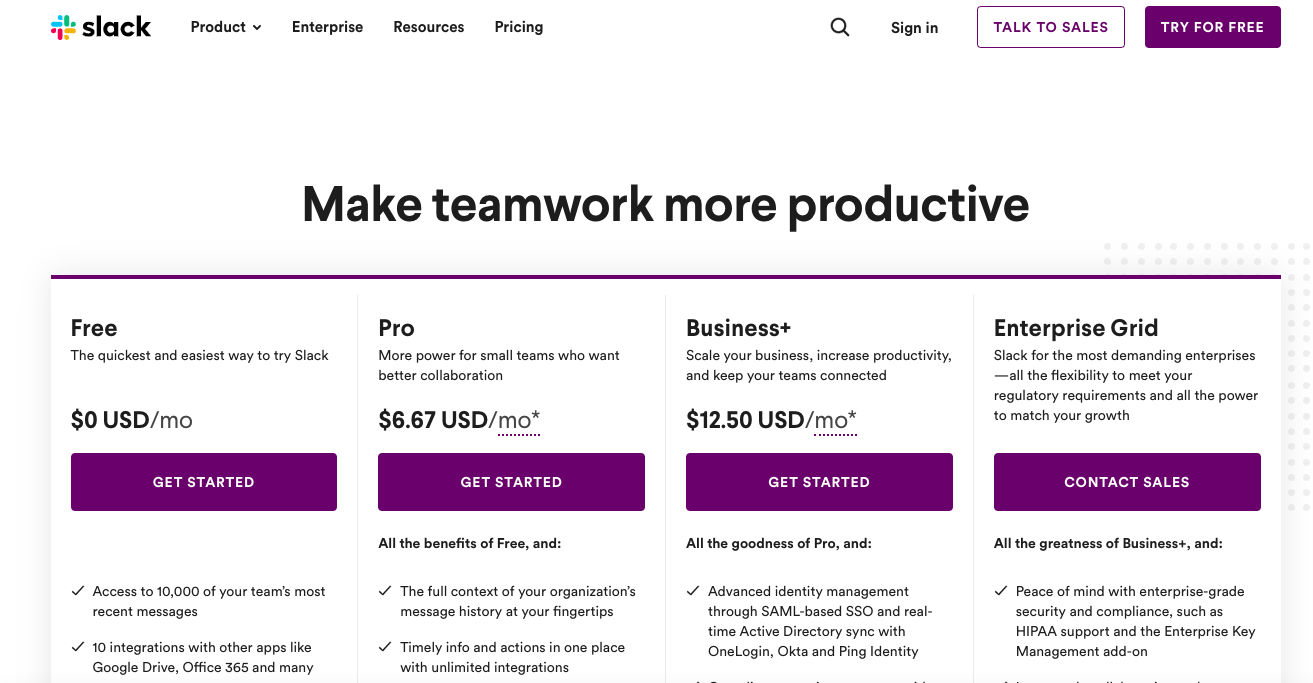
| Slack | Team Communication | Tiered Subscription (starting at $6.67/user/month) | User-friendly; excellent real-time collaboration tools; many integrations. | Limited file storage in free version; can be distracting with frequent notifications. |
| HubSpot | Inbound Marketing and Sales | Freemium Model with Paid Tiers (starting at $45/month) | Intuitive interface; strong community support; effective lead management. | Advanced features can be costly; learning curve for full utilization. |
| Zendesk | Customer Support | Tiered Subscription (starting at $19/user/month) | Robust ticketing system; extensive reporting capabilities; customizable workflows. | Can require multiple apps for complete functionality; higher tiers can be expensive. |
Strengths and Weaknesses of Each Provider
Evaluating the strengths and weaknesses of the leading SaaS solutions is essential for enterprises to ascertain which solution aligns best with their internal processes. Salesforce stands out for its extensive customization options and analytics capabilities, making it suitable for enterprises with complex CRM needs. However, its pricing and complexity can be a barrier for smaller organizations.Microsoft 365 is favored for its familiarity and security, providing a comprehensive suite ideal for productivity; however, its lower-tier plans may lack essential functionalities for more demanding enterprises.Slack enhances collaboration with its user-friendly interface but can be overwhelming due to excessive notifications, especially for larger teams.HubSpot offers an effective marketing and sales platform with an intuitive design, but the costs associated with advanced features may deter budget-conscious enterprises.Zendesk excels in customer support functionalities, providing robust tools for ticket management; however, its reliance on multiple applications for full functionality can complicate usage for some enterprises.
User Experiences with SaaS Solutions
User experiences and case studies can significantly influence the decision-making process for enterprises considering SaaS solutions. For instance, a case study involving a mid-sized e-commerce company that implemented Salesforce revealed that while the system allowed for comprehensive customer tracking and sales reporting, the initial setup was resource-intensive, requiring dedicated personnel for configuration and training.
“Salesforce helped us understand our customer journey, but we underestimated the time needed for proper implementation.”
In another example, a financial services firm adopted Microsoft 365 to enhance productivity among its remote workforce. The user experience was largely positive, citing seamless integration with existing tools and improved collaboration, although some users faced challenges adapting to the transition from traditional desktop applications.HubSpot has garnered positive feedback from marketing teams for its lead management and automation tools, with many users reporting increased lead conversion rates.
However, some enterprises indicated that the advanced features were not as straightforward to use as initially expected.Zendesk has been praised by support teams for its effective ticketing system, which streamlined customer interactions. However, some users noted that the necessity for multiple applications to handle different aspects of support sometimes hindered a unified approach to customer service.Through these examples, it becomes evident that while SaaS solutions offer substantial benefits, user experiences can vary widely depending on organizational needs and implementation strategies.
Customization and Add-Ons in SaaS Pricing
Customization plays a pivotal role in the pricing framework of Software as a Service (SaaS) solutions, especially for enterprises. Organizations often require specific functionalities and integrations that align with their unique operational workflows, which can significantly impact overall costs. Understanding how customization and add-ons influence SaaS pricing is essential for enterprises seeking tailored solutions that meet their strategic goals.Enterprises often seek customization in their SaaS solutions to enhance functionality, improve user experience, or integrate with existing systems.
Such customizations can include bespoke user interfaces, specialized reporting tools, or modifications to existing features. The costs associated with these customizations can vary widely based on the complexity and the vendor’s pricing structure. For instance, a vendor may charge a one-time setup fee for initial customization, alongside ongoing subscription fees that reflect the added value of these tailored solutions.
Common Add-Ons and Their Impact on Subscription Prices
Add-ons are supplementary features or services that enhance the core offering of a SaaS product. These can include advanced analytics, additional storage, enhanced security measures, or customer support services. The incorporation of these add-ons often results in increased subscription costs, allowing enterprises to optimize their solutions based on specific needs. Common examples of add-ons include:
- Advanced Analytics: Tools that provide deeper insights into user behavior or operational efficiency can be added at an extra cost, typically increasing the overall subscription fee by a percentage based on the tier of analytics offered.
- Additional User Licenses: As teams grow, additional user licenses may be required, with costs scaling according to the number of licenses purchased.
- Increased Storage: For data-intensive applications, enterprises might need extra storage capacity, resulting in an incremental monthly fee correlated with the volume of data stored.
- Premium Support Packages: Enhanced support options, such as 24/7 coverage or dedicated account managers, can add significantly to the pricing structure, often justified by critical operational needs.
The integration of these add-ons allows enterprises to build a more comprehensive solution tailored to their specific requirements, albeit at an additional financial commitment.
Best Practices for Negotiating Custom Pricing with SaaS Vendors
Negotiating custom pricing with SaaS vendors can result in favorable terms for enterprises, provided the negotiation process is approached strategically. Below is a collection of best practices to ensure effective negotiation:
- Conduct Market Research: Understanding the pricing structures of competing SaaS solutions allows for informed discussions with vendors, supporting claims for better pricing or terms.
- Clarify Business Needs: Clearly articulating specific business needs and expected outcomes from the SaaS solution can strengthen the negotiation position, demonstrating the potential value to the vendor.
- Ask for a Trial Period: Requesting a trial period can provide insights into the solution’s effectiveness and justify negotiations for a better rate based on performance metrics.
- Bundle Add-Ons: Inquiring about bundled add-ons or package deals can lead to discounts, making the overall solution more cost-effective.
- Build a Long-Term Relationship: Establishing a rapport with vendors can lead to more flexible terms and pricing strategies, with the potential for loyalty discounts over time.
By employing these best practices, enterprises can navigate the complexities of SaaS pricing negotiations more effectively, securing tailored solutions that align with their operational strategies while maximizing value.
Evaluating Total Cost of Ownership (TCO): SaaS Subscription Pricing Comparison Enterprise
In the realm of Software as a Service (SaaS) subscriptions, understanding the Total Cost of Ownership (TCO) is crucial for enterprises aiming to make informed decisions. TCO encompasses not only the subscription fees but also a variety of associated costs that may not be immediately apparent. By evaluating these elements, organizations can ensure they are not only selecting a solution that fits their current needs but also one that aligns with their long-term financial strategies.TCO evaluation involves several components that contribute to the overall expenditure of adopting a SaaS solution.
Beyond the upfront subscription costs, hidden fees can arise, impacting the total financial commitment. Organizations need to be aware of these potential costs to avoid surprises in their budgeting process.
Components of TCO in SaaS Subscriptions
Understanding the components of TCO is essential for accurate financial analysis. The main components that enterprises should consider include:
- Subscription Fees: This is the baseline cost associated with the SaaS product, typically billed monthly or annually.
- Implementation Costs: These may include onboarding fees, data migration expenses, and initial setup costs that can add to the TCO significantly.
- Training and Support: Training employees on new software and ongoing support can incur additional costs that should be factored in.
- Customization and Integration Costs: Adjusting the software to meet specific business needs or integrating it with existing systems can lead to unforeseen expenditures.
- Usage Fees: Some SaaS providers charge based on usage metrics such as the number of users or amount of storage, which can fluctuate and impact overall costs.
- Maintenance and Upgrade Costs: While SaaS solutions are often marketed as maintenance-free, there may still be costs associated with upgrades or additional features.
- Opportunity Costs: The potential revenue lost due to inefficient processes or downtime associated with the adoption of new software.
Framework for Calculating TCO
To effectively calculate TCO when considering various SaaS options, enterprises can follow a structured framework that ensures a comprehensive analysis. The steps involved include:
- Identify all costs: Create a detailed list of all potential costs associated with the SaaS solution, including hidden and indirect costs.
- Project usage levels: Estimate the expected usage of the software to determine variable costs accurately.
- Estimate lifespan: Determine how long the organization expects to use the SaaS product to accurately gauge long-term costs.
- Calculate total costs: Sum all identified costs over the projected lifespan, ensuring to capture both fixed and variable expenses.
- Compare options: Use the calculated TCO to compare different SaaS providers, weighing both cost and value against organizational needs.
Comparing TCO Across Various SaaS Providers
When comparing the TCO of different SaaS providers, organizations must adopt a systematic approach to ensure the evaluation is fair and comprehensive. Key considerations include:
- Standardization of Metrics: Ensure that all calculations are based on the same metrics to enable direct comparisons.
- Benchmarking: Utilize industry benchmarks for similar SaaS products to gauge if the costs align with market expectations.
- Value Assessment: Evaluate the features and benefits provided by each SaaS solution relative to the costs to ascertain which offers the best value.
- Long-Term Projections: Consider not just immediate costs but also project future costs and savings that may arise from increased efficiency.
Case Studies of SaaS Pricing Strategies
Successful SaaS pricing strategies are pivotal for the growth and sustainability of enterprises in the increasingly competitive digital landscape. By analyzing real-world examples, we can glean insights into effective pricing models, the impact of market feedback, and strategies for adaptation. These case studies showcase how organizations harness pricing to drive customer acquisition, retention, and overall profitability.
Successful SaaS Pricing Strategies
Several enterprises have implemented innovative pricing strategies resulting in significant success. Below are notable examples illustrating diverse approaches to SaaS pricing and their outcomes:
1. Slack
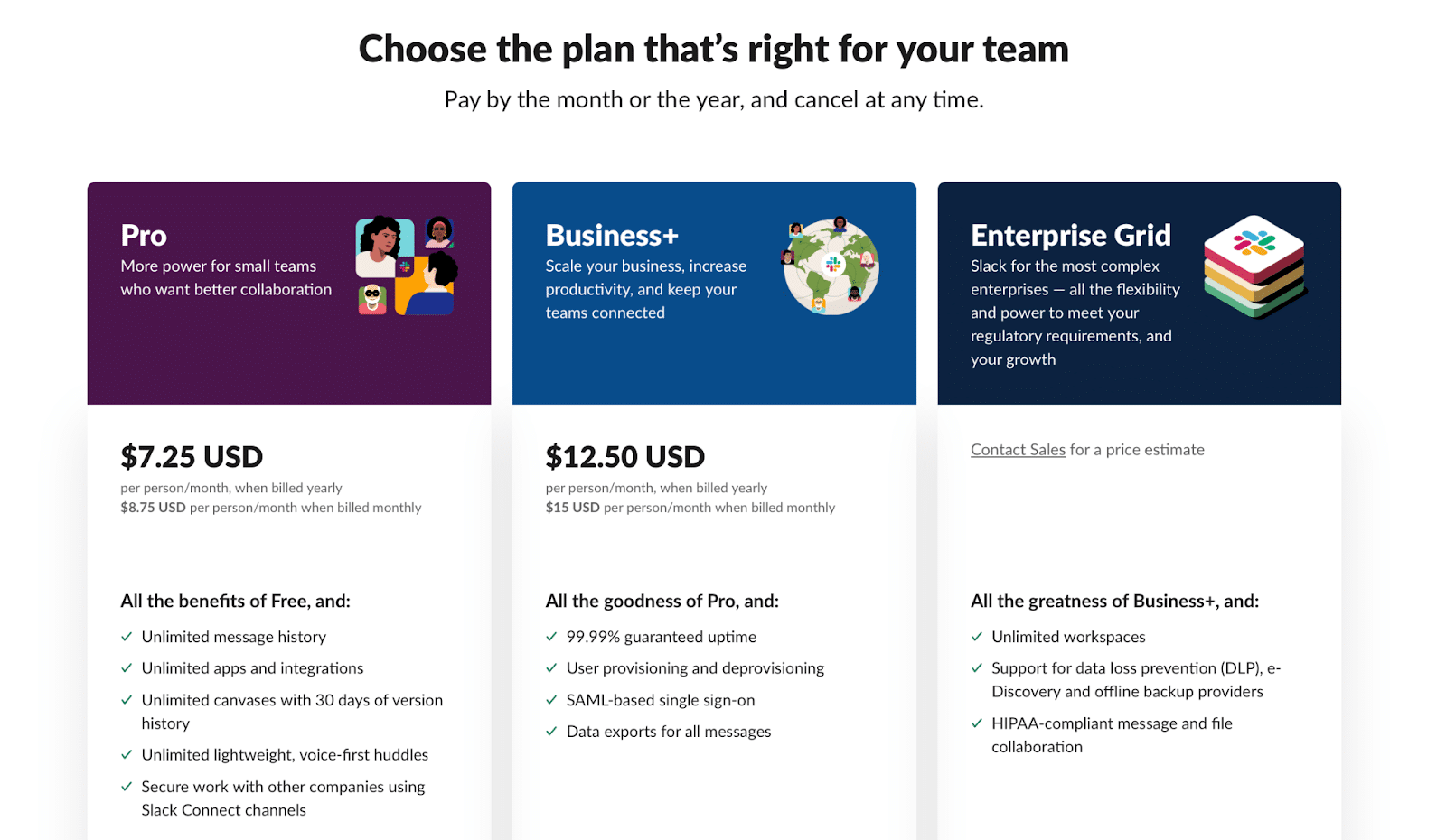
Slack adopted a freemium model, allowing users to access a basic version of their communication platform for free. This strategy led to rapid user acquisition and organic growth. Over time, as users became reliant on the tool, a significant percentage transitioned to paid plans, contributing to Slack’s valuation when acquired by Salesforce.
2. Zoom
Initially, Zoom offered a limited free plan with a 40-minute time limit on group meetings. This strategy was effective in driving user engagement and familiarity with the platform. As demand surged during the COVID-19 pandemic, Zoom adjusted its pricing tiers and added features, resulting in explosive growth in subscribers and market share.
3. HubSpot
HubSpot’s tiered pricing model, which includes a free version along with multiple paid tiers, allows businesses to choose plans that scale with their needs. This flexibility has attracted a diverse range of customers, from startups to large enterprises. The company continuously refines its offerings based on user feedback, ensuring that pricing remains competitive and aligned with market trends.
Adjustment of Pricing Strategies Based on Market Feedback
Enterprises must remain agile and responsive to market conditions and customer feedback to optimize their pricing strategies. Successful SaaS companies regularly collect and analyze data from user interactions, which informs adjustments to their pricing models.
Feedback Mechanisms
Companies often employ surveys, focus groups, and usage analytics to understand customer satisfaction and perceived value. For instance, after realizing that customers desired more robust analytics features, HubSpot adjusted its pricing to include these enhancements in their higher-tier plans.
Competitive Analysis
Observing competitors’ pricing strategies can also drive adjustments. If a competitor introduces new features or lowers prices, companies like Zoom have demonstrated the importance of rapid response to maintain competitiveness and market share.
“Adapting pricing strategies based on customer feedback and market conditions is essential for long-term success in SaaS.”
Lessons Learned from Case Studies
The experiences of various enterprises in the SaaS industry provide key insights that can inform future pricing decisions:
Value Perception
Successful pricing is closely tied to perceived value. Companies should continually assess how their offerings meet customer needs and adjust pricing accordingly.
Flexibility in Pricing Models
A flexible pricing strategy, such as tiered pricing or freemium options, can effectively cater to a diverse customer base and encourage upselling as customer needs evolve.
Data-Driven Decisions
Leveraging data analytics not only enhances understanding of customer preferences but also supports informed decision-making in pricing strategies.
Emphasis on Customer Experience
Companies that prioritize customer experience and satisfaction tend to see better retention rates. A transparent pricing structure that aligns with customer expectations fosters trust and loyalty.As enterprises navigate the complexities of SaaS pricing, these case studies underscore the importance of agility, customer focus, and market awareness in developing effective pricing strategies.
Future Trends in SaaS Subscription Pricing
The landscape of SaaS subscription pricing is rapidly evolving, driven by technological advancements and shifting market demands. As enterprises seek more flexible and scalable solutions, understanding emerging trends in pricing models becomes crucial. This section delves into the anticipated transformations in SaaS pricing strategies and their implications for enterprises.The advent of sophisticated technologies like artificial intelligence (AI) and machine learning (ML) is reshaping the pricing structures of SaaS products.
These innovations enable providers to analyze vast amounts of data, allowing for dynamic pricing models that can adapt to customer behavior, market conditions, and usage patterns. The integration of AI and ML into pricing strategies is not merely a trend but a significant shift toward more personalized and value-driven pricing mechanisms.
Emerging Pricing Models
Several innovative pricing models are gaining traction in the SaaS industry, bringing about notable changes for enterprises. These models emphasize flexibility, user engagement, and value-based pricing, which can significantly enhance customer satisfaction. The following are key emerging pricing models in SaaS:
- Usage-Based Pricing: This model charges customers based on their actual usage of the software, aligning costs with value received. For instance, platforms like AWS and Twilio employ usage-based pricing, allowing customers to pay only for what they use, which can be particularly advantageous for enterprises with fluctuating needs.
- Tiered Pricing: SaaS companies are increasingly adopting tiered pricing, where various packages are offered to cater to different business sizes and needs. This approach provides flexibility and allows enterprises to select a plan that best fits their requirements, similar to how platforms like HubSpot structure their offerings.
- Freemium Models: Offering basic services for free while charging for premium features is a commonly used strategy that helps attract users who can later convert to paying customers. Popular applications like Slack utilize this model effectively, creating a vast user base and encouraging upgrades as businesses grow.
- Dynamic Pricing: Leveraging AI, some SaaS providers are implementing dynamic pricing strategies that fluctuate based on demand, customer profile, and other factors, similar to airline ticket pricing.
Impact of Artificial Intelligence and Machine Learning
The integration of AI and machine learning into SaaS pricing strategies has significant implications for enterprises. These technologies enable more accurate forecasting of customer behavior and market trends, leading to smarter pricing decisions. Key impacts include:
- Personalized Pricing: AI algorithms can analyze customer data to offer tailored pricing that reflects individual usage patterns and willingness to pay, increasing perceived value.
- Predictive Analytics: Machine learning models can predict churn rates and customer lifetime value, helping SaaS providers adjust pricing strategies to retain valuable clients.
- Real-Time Adjustments: AI allows for real-time price adjustments based on market conditions or competitive actions, enhancing competitiveness in a fast-paced environment.
Speculative Evolution of Pricing in the Next 5-10 Years
Over the next five to ten years, the evolution of SaaS subscription pricing is poised to be transformative, shaped by technological advancements and changing enterprise needs. As more businesses adopt digital solutions, pricing models will likely evolve to become even more adaptive and customer-centric. Potential developments include:
- Subscription Bundling: Enterprises may increasingly favor bundled SaaS offerings that provide comprehensive solutions across various business functions, allowing for simplified budgeting and procurement.
- AI-Driven Customization: The continued advancement of AI is expected to drive further customization in pricing, allowing for highly tailored solutions that better meet the specific needs of enterprises.
- Blockchain for Transparency: The use of blockchain technology could emerge, providing transparent pricing models that enhance trust between providers and customers, making pricing structures clearer and more accountable.
- Pay-per-Outcome Models: Future pricing may evolve toward models where enterprises pay based on the outcomes achieved through the software, aligning costs with business success rather than mere usage.
In conclusion, as the SaaS market continues to grow and evolve, understanding these future trends in subscription pricing will be essential for enterprises aiming to maximize their software investments and drive operational efficiency.
FAQ Guide
What are the common SaaS subscription pricing models?
The common SaaS subscription pricing models include tiered pricing, usage-based pricing, and flat-rate pricing, each catering to varying enterprise requirements.
How do enterprises assess the cost-effectiveness of SaaS solutions?
Enterprises assess cost-effectiveness by evaluating the total cost of ownership (TCO), which includes direct costs, hidden fees, and the value provided by the solution.
What factors influence SaaS pricing for enterprises?
Factors influencing SaaS pricing include feature sets, scalability, customer support levels, market demand, and competitive landscape.
Can SaaS pricing be negotiated?
Yes, SaaS pricing can often be negotiated, especially when discussing custom pricing options or long-term contracts with vendors.
What role does compliance play in SaaS pricing?
Compliance plays a significant role in SaaS pricing, as solutions that meet regulatory requirements often entail higher costs due to the added features and security measures involved.
